Imagine ancient ships, heavy with gold, sailing up the Guadalquivir River to Seville. Yet, walking through modern Seville, you might miss the echoes of its golden age. Does the legend of the Seville Spanish gem still hold some truth?
I promise it does. This guide will connect you to the past, linking legends of Spanish treasure to real places you can see today. Why trust this?
It’s not just folklore. We plunged into Seville’s historical records, walked its streets, and uncovered tales left behind.
Ready to discover the secrets hidden in plain sight? to Seville’s legendary treasure map.
Seville’s Golden Age: A Hidden Gem
Why on earth did Seville, a city miles from the coast, become the exclusive gateway to the New World? It seems absurd at first. But the Guadalquivir River is to blame (or credit, if you prefer).
This river turned Seville into a bustling hub, connecting it directly to the Atlantic. It allowed ships to sail in with gold and silver, making Seville the most important city in Spain during the 16th and 17th centuries.
Now, let’s talk about the Casa de Contratación, or the House of Trade. This was Spain’s central agency for exploration and colonization. Think of it as the mission control for all things New World.
Everything coming from or going to the Americas had to pass through here. If you wanted to trade, explore, or conquer, you dealt with the Casa.
Seville was more than just a trade center. It was a melting pot. The city was alive with energy (merchants,) sailors, and aristocrats all mingling.
Imagine the streets filled with people speaking different languages, selling exotic goods, and exchanging the latest gossip. It was the kind of place where you could feel history in the making.
Seville is a Spanish gem, a reminder of a time when it was the heart of a global empire. Just like Seville, places like the Discovering Charm Amalfi Coast offer unique takeaways into history. We need to appreciate these connections.
They show us how the past shaped our present.
The Treasure Fleets: More Than Gold and Silver
When you think of treasure, gold and silver probably come to mind first. But the Spanish treasure fleets hauled much more than that. Sure, silver from Potosí and gold from the Aztec and Inca empires filled their holds.
However, these ships carried riches that changed the world in ways coins never could.
Imagine the emeralds from Colombia, shining like green fire. Or the pearls from Venezuela, coveted by European royalty. Yet the true treasures were the unlikely ones: tomatoes, potatoes, and chocolate.
These weren’t just foods; they were game-changers. Think about how these crops revolutionized European diets. Can you imagine Italian cuisine without tomatoes?
Hard to picture, right?
The treasure fleets, known as the ‘Flota de Indias,’ were no ordinary shipments. They traveled in convoys, a necessity to fend off pirates and survive storms. Convoys were like medieval road trips but on water, complete with danger at every turn.
Piet Hein’s capture of the fleet is legendary. In 1628, he seized a Spanish fleet with such audacity it reads like a pirate’s dream. Hein didn’t just capture treasure; he captured the imagination.
Now, let’s talk about seville spanish gem. Seville was the beating heart of this treasure network. Ships docked there, unloading their wealth to fill the coffers of Europe.
This city wasn’t just a stopover; it was the gateway to the riches of the New World.
We often overlook the non-monetary treasures that traveled on those ships. Tobacco, for instance, became a European obsession (and a lucrative one). New knowledge, too, sailed across the Atlantic, altering maps and minds alike.
The exchange of ideas was as valuable as any gold bar.
So, what do you value more? The glitter of precious metals or the new world that these unlikely treasures helped build? The Spanish fleets carried both, but it’s the latter that truly transformed history.
A Modern-Day Treasure Map: Finding History in Seville Today
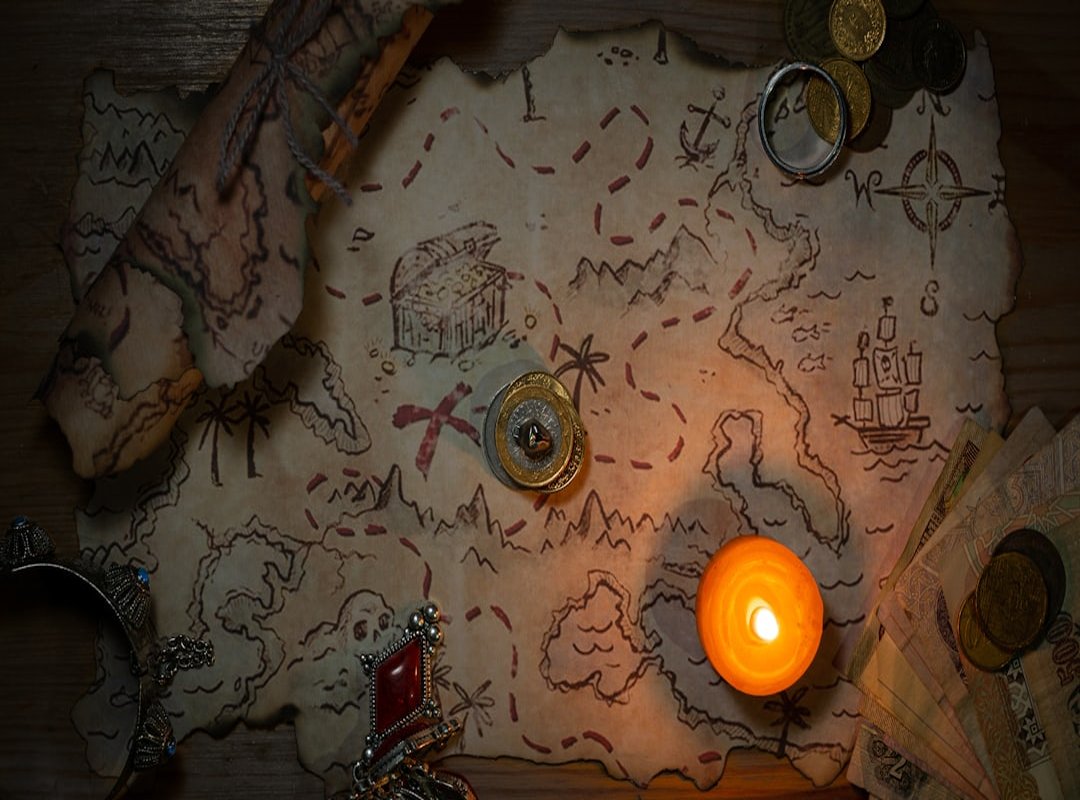
Seville, a Spanish gem, is like wandering through a living museum. Each corner whispers stories of bygone eras. Let’s dive into a mini walking tour of Seville, where history is more vivid than you’d expect.
First stop, the General Archive of the Indies. It’s the true brain of the operation. Why?
This place is stuffed with the real paper trail of treasure: maps, logs, trade records (all the boring stuff that makes the exciting stuff possible). You can almost smell the seasalt and adventure in those pages. It’s the administrative powerhouse of the Spanish Empire.
Imagine the wealth calculated within those walls. Does the gold still glimmer? Only in your imagination, but that’s worth something, right?
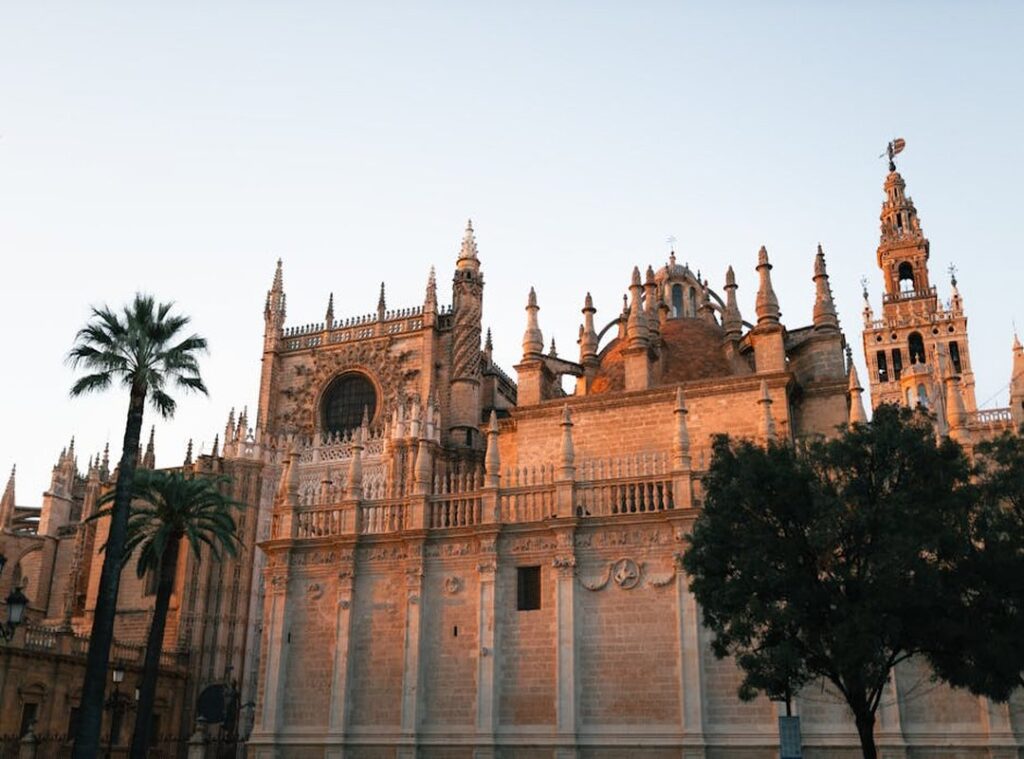
Next, the Seville Cathedral & La Giralda. Ah, opulence at its finest. Much of its immense art and ornamentation was funded by New World wealth.
You’ve got the solid silver altar demanding attention. And Christopher Columbus’s tomb. Yes, a bit of controversy about his actual remains (but) it’s still an imposing spot for all those who love a good historical debate. (Just don’t start a fight over it.) The wealth that built this place is mind-boggling.
Think of it as a New World showroom of riches.
Moving on to the Torre del Oro (the Tower of Gold). Spoiler alert: it didn’t store gold. It did guard the treasure though.
This was a defensive watchtower, not a treasure chest. Imagine the guards pacing, eyes scanning the horizon for enemy ships. The tension must have been palpable.
The stuff movies are made of. Well, if pirates had a better shot in Seville.
Finally, the Arenal District. Once the bustling port area, where sailors and merchants lived. Picture the noise, chaos, and excitement as treasure-laden ships docked, unloading their bounty.
It’s where wealth first kissed the city. Can you see the sailors spilling into taverns, pockets heavy with silver? The energy here must have been electric, hinting at the prosperity beyond.
For those interested in exploring beyond Spanish treasures, there’s always a whole other world waiting in the Wonders Canadian Rockies. Each location a chapter in history. Seville, a place where the past is never quite past.
The Price of Gold: Seville’s Double-Edged Legacy
Ah, Seville. A true Spanish gem. Rich in history and culture, but let’s not forget the double-edged sword of its treasure.
When Spain struck gold (and silver) in the New World, it thought it hit the jackpot. But here’s the twist: that massive influx of wealth led to hyperinflation across Europe. They called it the “Price Revolution” because, well, prices skyrocketed.
Ever wonder why? Too much silver, too little sense. Instead of investing in something sustainable (like a future), Spain splurged on wars and luxury.
Those riches slipped through their fingers faster than sand. Spain’s empire? It crumbled, leaving behind a legacy not of power, but of cultural and architectural marvels.
Seville’s cathedrals and palaces stand as a time when wealth flowed, though its economy did not. The real treasure? The art and history that remain.
A reminder that riches aren’t just about coin.
Open up Seville’s Secrets
Seville’s not just a city; it’s a living story. Every corner whispers tales of the past. Forget searching for buried treasure (it’s) all in plain sight.
The Seville Spanish gem is in its architecture and history. You’ve got the map (this guide) to uncover these treasures. Why just visit when you can explore?
Use what you’ve learned here when you next wander Seville’s streets. Dive deeper, feel the culture. It’s your adventure now.
Ready to see Seville like never before? Start your exploration today. Let this guide turn your trip into an unforgettable journey.
Discover more.
 Idana Burraynos has opinions about travel planning hacks. Informed ones, backed by real experience — but opinions nonetheless, and they doesn't try to disguise them as neutral observation. They thinks a lot of what gets written about Travel Planning Hacks, Horizon Headlines, Global Travel Essentials is either too cautious to be useful or too confident to be credible, and they's work tends to sit deliberately in the space between those two failure modes.
Reading Idana's pieces, you get the sense of someone who has thought about this stuff seriously and arrived at actual conclusions — not just collected a range of perspectives and declined to pick one. That can be uncomfortable when they lands on something you disagree with. It's also why the writing is worth engaging with. Idana isn't interested in telling people what they want to hear. They is interested in telling them what they actually thinks, with enough reasoning behind it that you can push back if you want to. That kind of intellectual honesty is rarer than it should be.
What Idana is best at is the moment when a familiar topic reveals something unexpected — when the conventional wisdom turns out to be slightly off, or when a small shift in framing changes everything. They finds those moments consistently, which is why they's work tends to generate real discussion rather than just passive agreement.
Idana Burraynos has opinions about travel planning hacks. Informed ones, backed by real experience — but opinions nonetheless, and they doesn't try to disguise them as neutral observation. They thinks a lot of what gets written about Travel Planning Hacks, Horizon Headlines, Global Travel Essentials is either too cautious to be useful or too confident to be credible, and they's work tends to sit deliberately in the space between those two failure modes.
Reading Idana's pieces, you get the sense of someone who has thought about this stuff seriously and arrived at actual conclusions — not just collected a range of perspectives and declined to pick one. That can be uncomfortable when they lands on something you disagree with. It's also why the writing is worth engaging with. Idana isn't interested in telling people what they want to hear. They is interested in telling them what they actually thinks, with enough reasoning behind it that you can push back if you want to. That kind of intellectual honesty is rarer than it should be.
What Idana is best at is the moment when a familiar topic reveals something unexpected — when the conventional wisdom turns out to be slightly off, or when a small shift in framing changes everything. They finds those moments consistently, which is why they's work tends to generate real discussion rather than just passive agreement.