

Ever wondered why food in India tastes so different from one region to another? It’s not just spices. It’s a reflection of India diverse cuisine that mirrors the country’s rich culture and history.
I remember my first bite of a classic South Indian dosa. Crispy, tangy, unlike anything I’d had before. Then, the North surprised me with its creamy butter chicken.
Each dish tells a story. You might think you’ve got Indian food figured out after trying a few dishes, but you’re just scratching the surface.
There’s so much more to uncover. We dive deep into these flavors, giving you a taste of the real India. It’s not just about eating; it’s about understanding.
By consulting local chefs and food historians, we’ve gathered takeaways that will make your next meal a true experience.
Stick around. This article will transform how you see and taste Indian cuisine. Ready to spice up your culinary knowledge?
Let’s get started!
The Heartbeat of Indian Cuisine: Spices, Tastes, and Techniques
Before diving into what sets each dish apart, let’s talk about what unites India’s diverse cuisine. Everything begins with the masala dabba, a spice box that’s the heart and soul of every Indian kitchen. You can’t miss it.
It’s like opening a world of possibilities (turmeric’s) golden hue, the earthy scent of cumin, the citrusy zest of coriander, and the intoxicating aroma of cardamom. These spices aren’t just ingredients. They’re characters in a culinary story.
But flavor? It’s more than spices. It’s about balance.
Ever heard of ‘Shad Rasa’? It’s this Ayurvedic principle focusing on six tastes: sweet, sour, salty, bitter, pungent, and astringent. Every meal strives to balance these for a complete sensory experience.
And then there’s ‘tadka’. A technique where spices are tempered in hot oil or ghee, unlocking flavors you didn’t know existed. This isn’t just cooking.
It’s a shared language that speaks to the core of Indian food culture, much like understanding Japan tea ceremony showcases another side of tradition.
Whether in the north or the south, these elements unite Indian cuisine into one lively dialect, echoing across regional boundaries.
North India: A Royal Feast of Breads and Tandoor
North India is like the ultimate buffet of flavors. Think vast plains and towering mountains, where the climate dances between extremes. This land has been shaped by the Mughal Empire, leaving behind a legacy of rich, creamy dishes that tantalize the senses.
Nuts and dried fruits sneak into recipes, while dairy. Like paneer, cream, and ghee (takes) center stage.
Wheat is king here. It’s the backbone of every meal. You’ve probably had naan, right?
That pillowy bread fresh from the tandoor (a clay oven) (it’s) practically a hug in edible form. Roti, the everyday staple, is simple yet satisfying. And paratha, with its flaky layers, is pure indulgence.
Each bread tells a story of tradition and warmth.
Let’s talk dishes. Butter Chicken, or Murgh Makhani, is a symphony of tender chicken swimming in a buttery tomato sauce. Rogan Josh, with its bold spices and tender meat, is like a warm embrace on a chilly day.
Then there’s Dal Makhani, slow-cooked lentils in a creamy stew. It’s comfort food at its finest.
Here’s the kicker: when people in the West think of Indian food, they often picture these Northern classics. But this is just a slice of india diverse cuisine. There’s so much more to discover.
Each region offers its own unique flavors and stories. Don’t let this be your only taste of India. Dive deeper, explore, and savor every bite.
South India: A Symphony of Spice, Rice, and Coconut
When you think of India diverse cuisine, the North often steals the spotlight. But let’s shift gears to the South. It’s a tropical paradise with beaches and lush greenery, a world apart from the North’s rugged terrain.
Here, rice reigns supreme. It’s in everything. From the delicate idlis to crispy dosas.
The sheer versatility is mind-boggling.
Coconut is another hero of the South. You find it in oil, milk, and grated form. It’s like a magic ingredient that transforms every dish.
And then there are the spices: hot, bold, and unapologetic. Chili and peppercorns bring the heat, while tamarind adds a tangy punch. Curry leaves?
They provide that unmistakable aroma you can’t forget.
Let’s talk dishes. Masala Dosa is a crispy dream with a spicy potato filling. Eating it is an experience.
The crunch, the spice, the soft potato. Then there’s Hyderabadi Biryani. It’s a flavorful explosion with saffron and spices, each bite more intoxicating than the last.
Finally, Kerala’s Meen Moilee is a revelation. A coastal fish curry in a luxurious coconut sauce. It’s silky, aromatic, and pure comfort.
For anyone familiar only with Northern cuisine, the South is a revelation. It’s lighter, spicier, and surprisingly diverse. Vegetarian and non-vegetarian options abound.
Want to learn more about exotic flavors? Check out diving south american festivals for a taste of global culinary adventures. South India is a feast for the senses.
It’s time to explore beyond what you know.
East India: Subtle Spices and Sweet Masterpieces
You know, when people think of Indian food, they often picture spicy curries and naan. But here’s a secret: East India offers a whole different palette. Think sweet and subtle, where every bite feels like a symphony.
Bengal and Odisha are the unsung stars of this culinary show. They’re like that underrated actor who finally steals the scene.
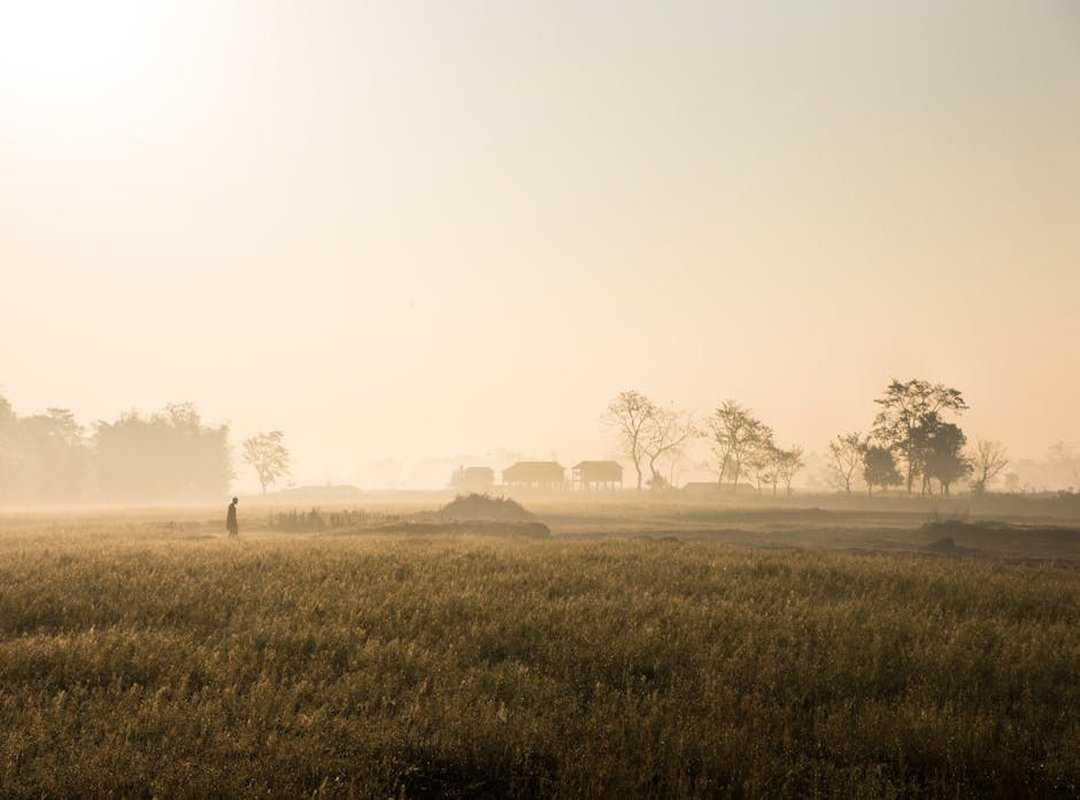
The geography here is breathtaking. Imagine river deltas brimming with life. It’s no wonder fresh fish and unique greens dominate the cuisine.
These regions have perfected the art of using what’s around them. And let me tell you, it’s a total game-changer for food.
What’s their secret? Mustard oil and ‘panch phoron’. This five-spice blend is the real MVP, transforming dishes into something magical.
You might not have heard the term before, but after tasting it, you’ll wonder how you cooked without it. Trust me.
Take Macher Jhol, for instance. This fish curry is all about balancing flavors. It’s like a dance, spicy yet tangy.
Shukto, a vegetable dish, is the true underdog. It’s rich with bitter and sweet notes that play beautifully together.
And let’s not forget their sweets. Rasgulla and Sandesh are world-famous for a reason. They’re cloud-like in texture and suffused with syrup, making them irresistible.
So, ready to dive into the India diverse cuisine of the East? It’s a taste journey you don’t want to miss.
West India: Vegetarian Thalis and Coastal Zest
West India is like a culinary kaleidoscope. Its flavors are as diverse as its landscapes. You can’t ignore Gujarat’s predominantly vegetarian cuisine.
It’s a symphony on a plate. A little bit of everything, perfectly balanced.
This region is famous for its unusual yet delightful sweet and savory combinations. Imagine a thali. It’s not just a meal.
Now, contrast that with Mumbai’s street food chaos. Vada Pav is the king here. It’s fast, spicy, and satisfying.
You know it’s good when even the locals can’t get enough. It’s the kind of food that speaks to the pace of the city itself (quick,) bold, unforgettable.
And then we have Goa. The food here? A fiery nod to Portuguese colonization.
Think tangy Vindaloo and coconut-based seafood curries. These dishes have a zest that will linger in your memory much like a catchy pop song. India’s diverse cuisine truly shines in West India.
Dive into India’s Culinary Mix
You now hold the key to unlocking India diverse cuisine. Feeling overwhelmed? That’s gone.
It’s replaced with curiosity. Understand the ‘why’ behind flavors and dive into authenticity. Craving an adventure?
Visit a local Indian restaurant or explore cultural guides. Your culinary journey awaits. Satisfaction guaranteed.
Start exploring today.
 Charleswens Loman writes the kind of hidden gems content that people actually send to each other. Not because it's flashy or controversial, but because it's the sort of thing where you read it and immediately think of three people who need to see it. Charleswens has a talent for identifying the questions that a lot of people have but haven't quite figured out how to articulate yet — and then answering them properly.
They covers a lot of ground: Hidden Gems, Horizon Headlines, Travel Planning Hacks, and plenty of adjacent territory that doesn't always get treated with the same seriousness. The consistency across all of it is a certain kind of respect for the reader. Charleswens doesn't assume people are stupid, and they doesn't assume they know everything either. They writes for someone who is genuinely trying to figure something out — because that's usually who's actually reading. That assumption shapes everything from how they structures an explanation to how much background they includes before getting to the point.
Beyond the practical stuff, there's something in Charleswens's writing that reflects a real investment in the subject — not performed enthusiasm, but the kind of sustained interest that produces insight over time. They has been paying attention to hidden gems long enough that they notices things a more casual observer would miss. That depth shows up in the work in ways that are hard to fake.
Charleswens Loman writes the kind of hidden gems content that people actually send to each other. Not because it's flashy or controversial, but because it's the sort of thing where you read it and immediately think of three people who need to see it. Charleswens has a talent for identifying the questions that a lot of people have but haven't quite figured out how to articulate yet — and then answering them properly.
They covers a lot of ground: Hidden Gems, Horizon Headlines, Travel Planning Hacks, and plenty of adjacent territory that doesn't always get treated with the same seriousness. The consistency across all of it is a certain kind of respect for the reader. Charleswens doesn't assume people are stupid, and they doesn't assume they know everything either. They writes for someone who is genuinely trying to figure something out — because that's usually who's actually reading. That assumption shapes everything from how they structures an explanation to how much background they includes before getting to the point.
Beyond the practical stuff, there's something in Charleswens's writing that reflects a real investment in the subject — not performed enthusiasm, but the kind of sustained interest that produces insight over time. They has been paying attention to hidden gems long enough that they notices things a more casual observer would miss. That depth shows up in the work in ways that are hard to fake.