
Introduction
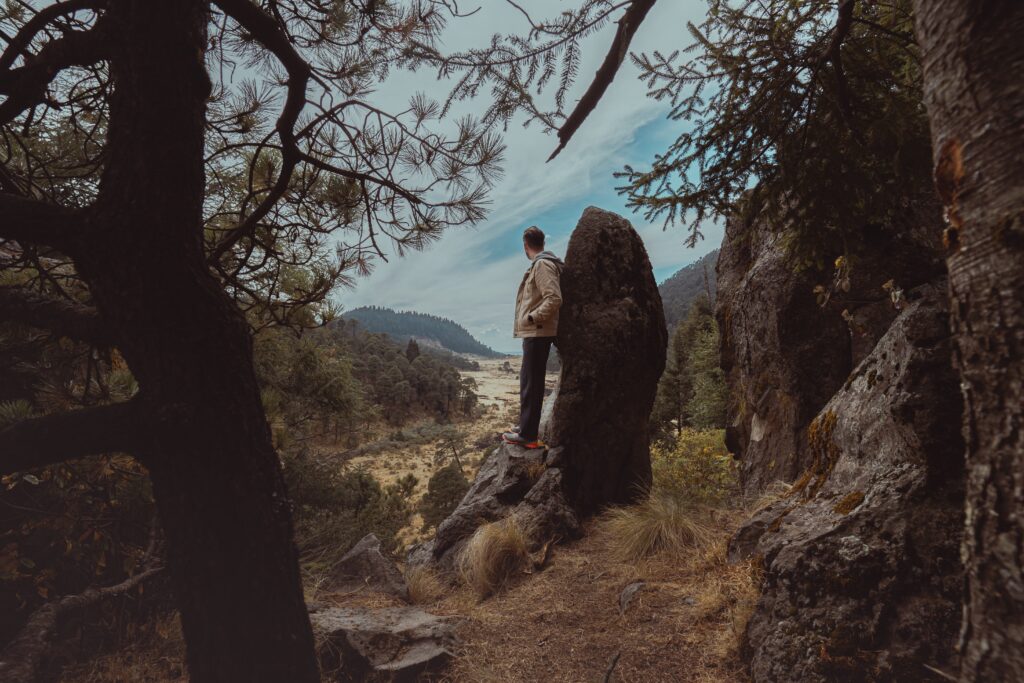
Heading into the wilderness is one of the best experiences you can have as a human being. Huge vistas, silent bothies and that type of clarity that you can only get from disconnecting with technology, traffic and breaking news feeds.
However, wilderness travel is also physically challenging. Often much more than most people anticipate beforehand.
Numbers hillwalking, wild camping and tackling long-distance routes have increased consistently over the last 10 years. Every year more and more folk venture into Snowdonia, The Lakes, The Peak District and the Scottish Highlands and beyond. Each year that number grows of folk learning (often painfully) that a nice view from the pub does not equate to an easy day on the hill. Weekend fitness and backcountry fitness are poles apart and the difference is usually greater than first time walkers understand.
One could spend hours scouring the internet for information on survival gear for wilderness expeditions, weighing the pros and cons of pack weights and dumping margins, and pouring over route notes. All of that homework will pay off. Observing how contestants from the History channel program Alone outfit themselves is another worthwhile benchmark, as you can find several breakdowns of alone survival gear that detail what hardcore bushwhackers are schlepping deep into the woods. All that equipment in the world can’t prepare you for challenges your body will face if you haven’t conditioned yourself to traveling under load, over uneven terrain, for hours (or days).
This article discusses the survival basics all wilderness explorers should know before depending on their survival equipment for outdoor settings.
Here’s What You’ll Take Away
Before getting started, here is a quick preview:
- Cardiovascular endurance and why it underpins everything else;
- Functional strength that translates to real backcountry movement;
- Load carriage training with a weighted pack;
- Balance, stability, and injury prevention on rough terrain;
- Recovery, sleep, and nutrition as fitness inputs; and
- Mental toughness and preparedness under pressure.
Cardiovascular Endurance Is the Foundation
Every other aspect of wilderness fitness sits on top of cardiovascular capacity.
Be it long approach hikes, elevation gain, or multi day ventures over the fells, Munros or Snowdonia, they all require a body with lungs and heart that can handle moderate exertion for hours upon hours. Cardio isn’t fun to train but when its undertrained every little thing is harder and small issues (blisters, wet layer, wrong turn) can escalate into major issues in a hurry.
Mountain Rescue England and Wales said in its annual review last year that tired or unfit participants were among the most common reasons for callouts, behind human error, bad weather and lack of experience.
You don’t need to do anything overly technical to build this base. Anything that gets your heart rate up for a sustained period of time will do.
Simple Training Options
For example:
- Long walks on hilly terrain;
- Steady-state jogging or trail running;
- Cycling or rowing sessions of 45 minutes or longer; and
- Weighted hill repeats closer to a planned trip.
Tired hikers make more mistakes, and cardio delays that fatigue meaningfully.
Functional Strength That Translates to the Trail
Wilderness travel rewards a certain kind of strength. Being able to lift really heavy things at the gym is only tangentially related to how strong you have to be out there.
Compound movements give you the most functional foundation. Squats, deadlifts, step-ups, lunges and pulling exercises all mimic walking, scrambling and carrying gear. Strengthening your core is also key because a strong midsection stabilizes your spine when your heavy pack leans or your foot catches wrong.
Schedule three dedicated strength sessions each week in the weeks leading up to your trip. Three workouts is typically sufficient to make gains. Aim for quality, repeatable movement that will translate to real-world conditions.
Load Carriage: Training With the Pack
Carrying weight is a skill in itself.
Many outdoor enthusiasts forget how fast a comfortable pack can become miserable if your shoulders, hips, and lower back are not conditioned to it. That is why dedicated backcountry travelers pack train with weighted packs long before they arrive.
A sensible approach might include:
- Starting with 10 to 15% of body weight and building gradually;
- Walking on varied terrain rather than only flat surfaces;
- Practising hills in both directions (climbing and descending); and
- Matching training weight to expected trip weight in the final weeks.
Neglecting descent under load is a common oversight. That is where most knee and quad issues stem from.
Balance, Stability, and Injury Prevention
Rocks shift. Roots grab boots. Streams cross the path unexpectedly.
Balance work helps prevent ankle, knee, and hip injuries caused by the common “benign neglect” incidents in the backcountry that cut vacations short. This is important beyond what most hikers understand. Scottish Mountain Rescue noted in its 2024 report that 27% of people assisted during mountaineering accidents had injured their ankle. Slips, trips, and falls remained the single biggest cause of call outs throughout the year.
Single-leg exercises, agility ladder drills and barefoot balance exercises develop stabilising muscles neglected by flat treadmills and paved roads.
Mobility work is important too. Limited hips or tight ankles cause your body to compensate which leads to injuries. This is especially true on long days with a heavy pack and sketchy footing.
Recovery, Sleep, and Nutrition Are Fitness Inputs
Training only works when the body has a chance to adapt.
Sleep, hydration and nutrition are not fluffy topics. They are performance inputs. If you skimp on sleep the day before a trip you show up less coordinated and less able to make decisions. Long term underfuelling means adventurers have less in the tank when things get tough.
Practical habits that support recovery include:
- Prioritising 7 to 9 hours of sleep during heavy training periods;
- Eating enough protein to support muscle repair;
- Managing caffeine and alcohol in the days before a trip; and
- Practising trail nutrition during training rather than experimenting mid-expedition.
Mental Toughness and Preparedness
Fitness is not only physical.
Wilderness challenges patience, emotional control and decision-making skills when tired, cold or hungry. Training uncomfortably on purpose (in rain/wind/early mornings/distances that are further than you feel like) develops the mental habits that ensure people stay safe when plans go awry. Which, in the British hills, they frequently do.
When paired with a sensible gear list and relevant outdoor skills this sort of mental preparation can mean the difference between adventurers who succeed and those that suffer and quit.
Bringing It All Together
Wilderness travel demands more than good intentions and a well-stocked pack.
Cardiovascular endurance, functional strength, load carriage, balance, recovery and mental toughness are all factors that combine to keep adventurers safe, competent and having fun in the backcountry. Spending time developing these basics will ensure that whatever quality survival gear you invest in for your wilderness adventures has a body that can effectively utilize it when you need it most.
Sources
- tired or unfit participants – https://www.countryfile.com/go-outdoors/deadliest-mountains
- 27% of people assisted – https://www.scottishmountainrescue.org/scottish-mountain-rescue-annual-statistics-review-2024/
 Charleswens Loman writes the kind of hidden gems content that people actually send to each other. Not because it's flashy or controversial, but because it's the sort of thing where you read it and immediately think of three people who need to see it. Charleswens has a talent for identifying the questions that a lot of people have but haven't quite figured out how to articulate yet — and then answering them properly.
They covers a lot of ground: Hidden Gems, Horizon Headlines, Travel Planning Hacks, and plenty of adjacent territory that doesn't always get treated with the same seriousness. The consistency across all of it is a certain kind of respect for the reader. Charleswens doesn't assume people are stupid, and they doesn't assume they know everything either. They writes for someone who is genuinely trying to figure something out — because that's usually who's actually reading. That assumption shapes everything from how they structures an explanation to how much background they includes before getting to the point.
Beyond the practical stuff, there's something in Charleswens's writing that reflects a real investment in the subject — not performed enthusiasm, but the kind of sustained interest that produces insight over time. They has been paying attention to hidden gems long enough that they notices things a more casual observer would miss. That depth shows up in the work in ways that are hard to fake.
Charleswens Loman writes the kind of hidden gems content that people actually send to each other. Not because it's flashy or controversial, but because it's the sort of thing where you read it and immediately think of three people who need to see it. Charleswens has a talent for identifying the questions that a lot of people have but haven't quite figured out how to articulate yet — and then answering them properly.
They covers a lot of ground: Hidden Gems, Horizon Headlines, Travel Planning Hacks, and plenty of adjacent territory that doesn't always get treated with the same seriousness. The consistency across all of it is a certain kind of respect for the reader. Charleswens doesn't assume people are stupid, and they doesn't assume they know everything either. They writes for someone who is genuinely trying to figure something out — because that's usually who's actually reading. That assumption shapes everything from how they structures an explanation to how much background they includes before getting to the point.
Beyond the practical stuff, there's something in Charleswens's writing that reflects a real investment in the subject — not performed enthusiasm, but the kind of sustained interest that produces insight over time. They has been paying attention to hidden gems long enough that they notices things a more casual observer would miss. That depth shows up in the work in ways that are hard to fake.