Picture this: a folder packed with screenshots, a mess of booking emails, and a hastily scribbled list of cities. We’ve all been there, right? These fragments could lead to the trip of a lifetime, but they often end up forgotten.
Where’s the magic in that?
I’m here to shake things up. You can transform these digital bits into something with soul. Imagine turning your travel chaos into travel itineraries art that captures every thrill, every memory.
Why trust me? I’ve spent years blending wanderlust with creativity, crafting keepsakes from fleeting moments. This isn’t just about organizing your plans; it’s about making your journey unforgettable.
Ready to dive into a world where every part of your trip is a creative masterpiece? You’ll leave with ideas that make travel an art form.
Your Itinerary: A Work of Art
When I look at a travel itinerary, I see more than just a schedule. It’s a story waiting to unfold. Think about it.
A list of destinations like “Paris -> Florence -> Rome” isn’t just a sequence. It’s a map of future memories. Each city, a chapter filled with tastes, sounds, and sights you haven’t yet experienced.
Does that excite you? It should.
Creating art from your plans is a way to connect deeply with your destination before you even leave. It’s not about being a professional artist. It’s about expressing yourself.
When you sketch out your journey, whether it’s a simple doodle or a watercolor map, you’re building anticipation. You’re setting an intention. You’re transforming a standard flight confirmation email into something personal and meaningful.
Imagine tracing your flight path over a continent with a brush instead of just reading about it in an email. That’s solid.
And don’t worry about perfection. This isn’t about skill; it’s about emotion and expression. Anyone can do it.
You’re not just planning a trip; you’re crafting an adventure’s narrative. It shifts your mindset from merely traveling to experiencing.
If you’re looking to maximize frequent flyer miles, consider how planning with intention can raise your travel. Check out this guide for more takeaways.
So, next time you plan a trip, think of it as art. Your itinerary is more than a schedule; it’s a canvas. Paint your journey, and let the anticipation color your experience.
Visualizing Your Adventure: Pre-Trip Projects
Planning a trip? Let’s get creative. Before you jet off, dive into some artsy projects that hype you up but ground you in your upcoming adventure.
Consider it a creative warm-up, like stretching before a run.
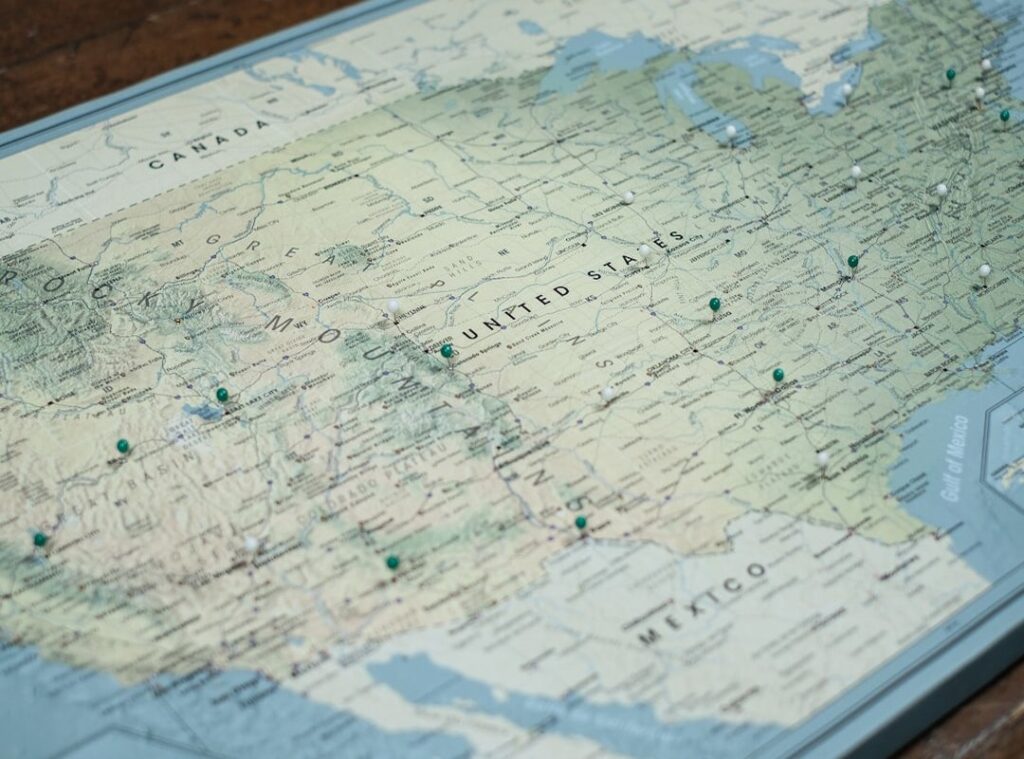
First up, the Illustrated Itinerary Map. Forget those boring printed maps. Grab some watercolor paper, fine-line pens, and colored pencils.
You’re crafting a masterpiece. Trace your travel routes. Add tiny icons for landmarks you can’t wait to see.
A little calligraphy for city names? Why not? Trust me, engaging with your itinerary this way makes every destination feel exciting and personal.
Maps aren’t just about getting from A to B. They’re about the journey. (And you’ll have a keepsake to hang on your wall.)
Next, let’s talk about the Thematic Vision Board. It’s more than just a collage. Think of it as a mood board that captures the feeling of your trip.
Use fabric swatches to feel the textures of local markets. Paint chips to reflect sunset colors. Snip words and images from magazines that capture the culture and atmosphere.
Now, the Artistic Packing List. Packing lists are usually a chore, right? Not anymore.
This board should scream your destination’s vibe. It’s about setting the mood, not just planning logistics.
Sketch your outfits, gear, and essentials. It’s practical and charming. Suddenly, the mundane becomes magic.
Plus, it’s a fun way to visualize your style and needs for the trip.
For the tech-savvy, digital options abound. Use tools like Procreate or Canva to design a digital travel plan. You can print it later.
It’s perfect for those who prefer their travel itineraries art to be pixel-perfect.
These projects aren’t just about preparation. They’re about anticipation. They transform planning into a creative experience.
So, grab your materials or your tablet. Dive in. Your adventure awaits.
Not just at the destination, but in every step leading up to it.
On the Road: Crafting Memories in Real Time
Travel is more than just moving from one place to another. It’s about living in the moment and capturing ephemeral moments. You’ve probably heard this before, but how often do we practice it?

One way to stay present is through travel itineraries art.
The Ephemera Collage Journal is my go-to technique. When I’m on the road, I pick up small, flat things like ticket stubs, local business cards, and cafe napkins. These aren’t just souvenirs; they’re pieces of the journey.
Arranging them in a journal with notes and dates creates a narrative of my travels. It’s like writing a diary, but more tactile. I often find myself revisiting these journals more than my photo albums.
Next up is minimalist sketching. This isn’t about being the next Picasso. It’s about seeing.
Whether it’s a quirky architectural detail or the food on your plate, sketching encourages observation. I carry a small kit: just a sketchbook, a pencil, and a simple watercolor palette. It’s a habit that’s calming but also makes you notice things you’d otherwise miss.
Pressed botanicals are another favorite, especially on nature-focused trips. Pressing flowers or leaves in a book is simple yet solid. Later, you can incorporate these into post-trip artwork.
It’s like taking a literal piece of your destination home. These activities make travel more than just a checklist.
One more thing: slowing down to capture art this way helps you score last minute flight deals by making your travel less about rushing and more about experiencing. You can find score last minute flight deals if you plan to extend your journey.
So why rush through your next trip? Slow down, observe, and create art along the way. Your future self will thank you.
Post-Trip Masterpieces: Weaving Your Story Together
Ever look at your travel souvenirs and think, “What now?” Let me tell you about the Adventure Shadow Box. It’s a brilliant way to transform your travel itineraries art into something tangible. Start with an illustrated map as your backdrop.
Layer on 3D objects like shells, train tickets, a hotel key card, and pressed flowers. It becomes a vivid reminder of your journey.
Not into physical art? I’ve got you. Try the Digital Story Map.
Scan your collected items. Sketches, tickets, maps (and) arrange them digitally. This creates a high-resolution print that captures your trip in a modern, graphic style.
It’s perfect for those who prefer clean lines.
And hey, don’t overlook a custom photo album. Blend your sketches and journal entries with photos. It’s storytelling in its truest form.
These methods aren’t just about preserving memories; they’re about celebrating them. So, which masterpiece will you create?
Transform Trips into Storytelling Adventures
Travel plans can feel like a checklist. You know the drill: functional but forgettable. But there’s a better way.
By turning travel itineraries art, you create something lasting. Not just a trip, but a personal story. It’s about crafting a journey from a simple itinerary to a piece of art.
The process itself is as meaningful as the result. Why settle for mundane when you can have magic?
Next time, don’t just plan. Visualize. Pick one idea from this guide.
Start creating your travel story today. You’ll see the world through a whole new lens. Make it unforgettable.
 Charleswens Loman writes the kind of hidden gems content that people actually send to each other. Not because it's flashy or controversial, but because it's the sort of thing where you read it and immediately think of three people who need to see it. Charleswens has a talent for identifying the questions that a lot of people have but haven't quite figured out how to articulate yet — and then answering them properly.
They covers a lot of ground: Hidden Gems, Horizon Headlines, Travel Planning Hacks, and plenty of adjacent territory that doesn't always get treated with the same seriousness. The consistency across all of it is a certain kind of respect for the reader. Charleswens doesn't assume people are stupid, and they doesn't assume they know everything either. They writes for someone who is genuinely trying to figure something out — because that's usually who's actually reading. That assumption shapes everything from how they structures an explanation to how much background they includes before getting to the point.
Beyond the practical stuff, there's something in Charleswens's writing that reflects a real investment in the subject — not performed enthusiasm, but the kind of sustained interest that produces insight over time. They has been paying attention to hidden gems long enough that they notices things a more casual observer would miss. That depth shows up in the work in ways that are hard to fake.
Charleswens Loman writes the kind of hidden gems content that people actually send to each other. Not because it's flashy or controversial, but because it's the sort of thing where you read it and immediately think of three people who need to see it. Charleswens has a talent for identifying the questions that a lot of people have but haven't quite figured out how to articulate yet — and then answering them properly.
They covers a lot of ground: Hidden Gems, Horizon Headlines, Travel Planning Hacks, and plenty of adjacent territory that doesn't always get treated with the same seriousness. The consistency across all of it is a certain kind of respect for the reader. Charleswens doesn't assume people are stupid, and they doesn't assume they know everything either. They writes for someone who is genuinely trying to figure something out — because that's usually who's actually reading. That assumption shapes everything from how they structures an explanation to how much background they includes before getting to the point.
Beyond the practical stuff, there's something in Charleswens's writing that reflects a real investment in the subject — not performed enthusiasm, but the kind of sustained interest that produces insight over time. They has been paying attention to hidden gems long enough that they notices things a more casual observer would miss. That depth shows up in the work in ways that are hard to fake.