Ever walked into a colossal museum like the Louvre, only to feel completely lost in a sea of paintings? Yeah, me too. You’re there to soak in culture, not to drown in confusion.
This guide is your lifeline, a simple tool to get through European art movements without turning it into a dull history lecture. I’ve spent years exploring cultural havens and countless museum halls, figuring out how to connect the art inside to the lively life outside. Trust me, by the end, you’ll effortlessly recognize key styles and stories, making your next European visit both meaningful and enriching.
Renaissance: Art’s Bold Revival
The Renaissance. It’s like the world hit refresh on art. This period, spanning the 14th to 16th centuries, wasn’t just about pretty pictures.
It was a rebirth of classical ideas. Imagine shifting from flat, emotionless medieval figures to lifelike, emotional people. That’s right, folks started focusing on humanism, realism, and proportion.
Now, if you’re planning a trip, Florence and Rome are your go-to spots. Florence is where you’ll see the magic happen. Visit the Uffizi Gallery and witness Michelangelo’s ‘David.’ That statue isn’t just rock.
It’s a lesson in human anatomy. Then, look at the paintings. Notice the depth and perspective.
It’s like the figures are walking out of the frame.
Head to Rome next. The Vatican Museums will blow your mind. The Sistine Chapel ceiling mixes divine and human themes like a Renaissance cocktail.
Michelangelo painted it, and trust me, it’s a masterpiece. You can almost feel the heavens touching earth.
And let’s not forget the big names: Leonardo da Vinci, Michelangelo, Raphael. They made European art movements legendary. But what’s key here is the visual feast.
Spotting the details that made these works timeless.
Oh, by the way, if you’re into cultural journeys, you might find understanding japan tea ceremony fascinating. It’s a different world, but the attention to detail and history? That’s a universal language.
So, pack your bags. The Renaissance awaits. Get ready to be wowed by art that changed the world.
Baroque: Art in Motion
Baroque art is like a wild ride. It’s a response to the calm, balanced Renaissance. If that was a serene portrait, the Baroque is a chaotic, mid-action movie scene.
Think drama, emotion, and power. You can almost feel the tension in those deep colors and intense emotions. Why all the drama?
Simple. The Counter-Reformation. The Church wanted to show power and they needed art that screamed it.
Bold, right?
This movement isn’t just art. It’s political theater. You see it in the grandiosity of Versailles.
That palace in France? It’s not just a home. It’s a statement.
Gold everywhere, towering ceilings, and endless halls. Louis XIV wasn’t subtle. He wanted to show who was boss.
And it worked.
Now, picture the churches in Rome or Vienna. They’re like emotional rollercoasters. Swirling figures, intense light and shadow (that chiaroscuro thing).
It’s as if the scene might burst out of the frame any second. Bernini’s sculptures? Pure drama.
Every piece tells a story, full of movement and life. It’s like they’re about to step off their pedestals and join the fray.
Baroque is this fascinating chapter in European art movements. It’s visceral and magnetic. But here’s a thought: some people might find it too much.
Too ornate. Too over-the-top. Can you blame them?
Not everyone likes their art loud. Yet, for others, it’s precisely that boldness that captivates. It demands attention.
Just like a blockbuster movie. So, next time you wander through Versailles or a Baroque church, soak it in. It’s art on full volume.
Impressionism: Light, Life, and Paris
Impressionism was a wild break from tradition. Artists in the late 19th century ditched studios to paint scenes as they saw them. Not every detail, but the impression itself.
Bold move? Absolutely.
You see, the focus wasn’t on perfection. It was about light, movement, and modern life. They captured the moment, not a photograph.
Visible brushstrokes and lively colors were their tools. This wasn’t just painting. It was rebellion.
Paris was the heartbeat of this movement. The city itself became the canvas for artists like Monet, Degas, and Renoir. They painted the essence of the city, its light, its life.
When in Paris, you must visit the Musée d’Orsay. Monet’s water lilies are a must-see. Notice how his brushstrokes create the feeling of light dancing on water.
Degas’ dancers? They capture the grace and grit of life. Renoir’s scenes of Parisian life show everyday moments.
They weren’t just painting; they were documenting life. This wasn’t just art. It was a statement.
That’s what makes it exciting. It’s more than a technical description. It’s an experience.
Some might argue that Impressionism lacks detail. But that’s missing the point. It’s about emotion, the fleeting moment.
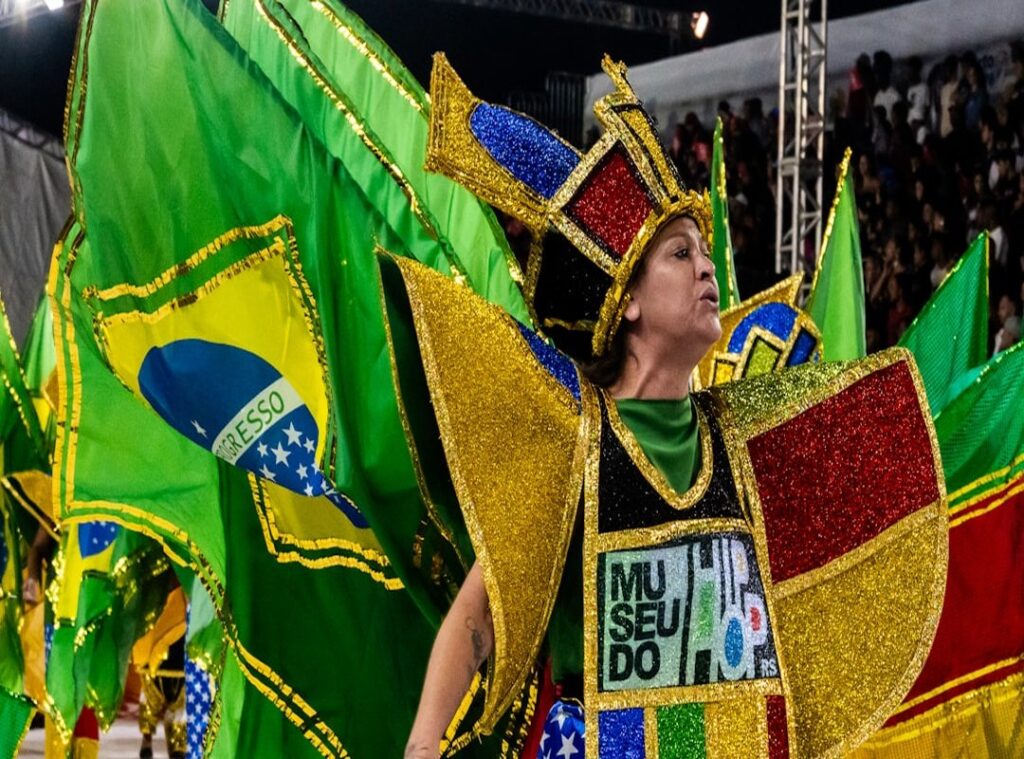
While you’re diving into the art world in Paris, don’t forget to explore Diving South American Festivals. These festivals are another way to see lively culture firsthand. European art movements like Impressionism aren’t just about the past.
They’re a lens into how we see the world today.
Art Gets Real: Post-Impressionism’s Emotional Turn
Post-Impressionism. It’s not just another step in art history. It’s a bold rejection of the status quo.
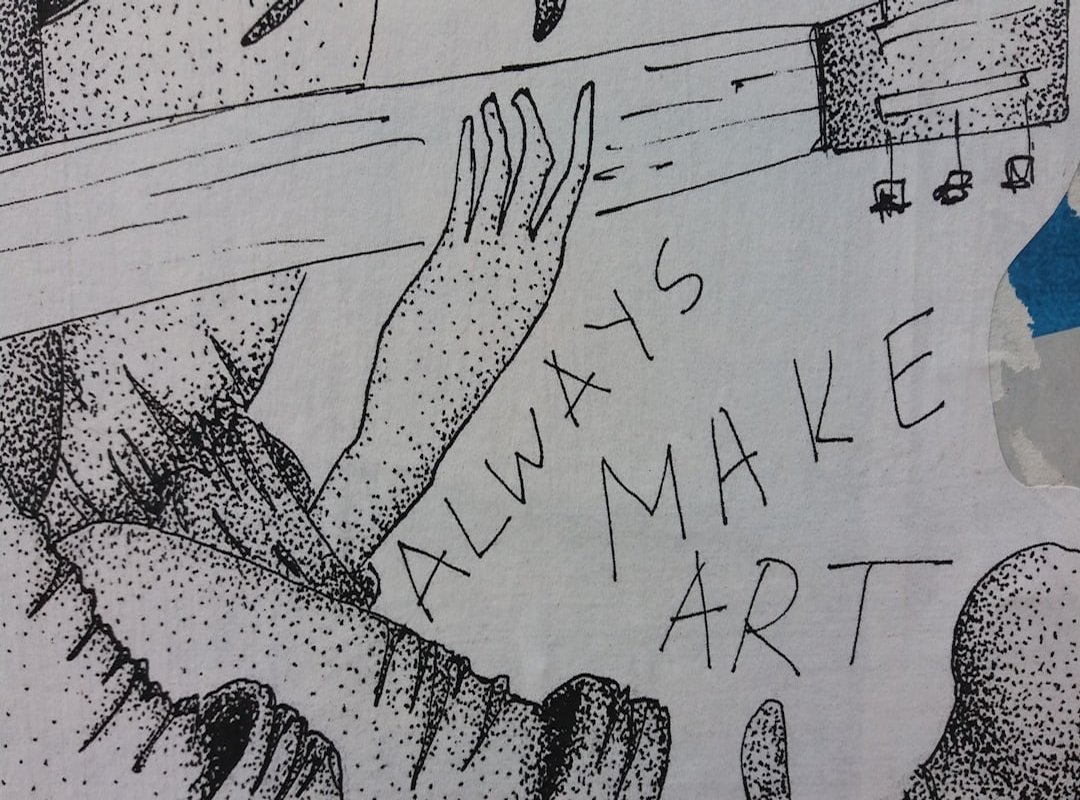
Artists grabbed the freedom of Impressionism and ran with it, injecting their own emotions and visions into their work. This wasn’t just about capturing light or a fleeting moment. It was about digging deeper, expressing the inner world with lively colors and daring forms.
Take Van Gogh. If you’ve ever seen his paintings (who hasn’t?), you know they’re not just pictures. Those thick, swirling brushstrokes and intense colors?
They scream emotion. It’s like you’re peering into his soul, not just a field or a starry night. You can really feel this at Amsterdam’s Van Gogh Museum or Paris’s Musée d’Orsay.
If you’re a fan of european art movements, Van Gogh is your guy.
Then there’s Cézanne. The man’s a bridge to Cubism. He didn’t just paint what he saw; he painted what he felt lay beneath.
Geometric shapes, complex forms (his) work pushed boundaries. Cézanne wasn’t about prettiness, but about truth.
And let’s not forget Gauguin. His use of bold, flat colors and symbolic imagery, especially in his Tahitian work, is unforgettable. There’s a rawness to it.
He wasn’t just painting a scene. He was unraveling a story.
So, Post-Impressionism wasn’t one style; it was a movement. A glorious mess of colors and emotions. It didn’t just follow Impressionism.
It transcended it.
Modernism: Breaking All the Rules for a New Century
Modernism was like a rebellious teenager in the early 20th century. It threw out the rulebook to reflect the chaos of a rapidly changing world. I mean, who wouldn’t want to shake things up with all those new machines and ideas buzzing around?
Cubism was a wild ride. Picasso in Barcelona and Paris took objects and showed them from every angle at once. It was like seeing the world through a kaleidoscope.
Confusing? Absolutely. But fascinating.
Then there’s Surrealism. Dalí in Figueres painted dreams and subconscious thoughts. It’s like he dipped a brush into his mind and painted what he found.
Bizarre but captivating.
These European art movements might seem daunting, but they’re just creative chaos. Museums don’t have to be intimidating if you think about them as a tasting menu of ideas. Want to explore?
Just dive in. You might find something that speaks to you.
Make Art an Adventure
You don’t need to feel lost in a gallery. European art movements are your map. From Renaissance realism to Modernism’s emotional flair, each style is a story. That’s how you turn a passive visit into an active discovery.
Why not use this guide to plan your next cultural adventure? Dive deeper into these styles when you travel. You’ll see how every brushstroke connects to the place it came from.
Ready for more? Explore our articles on specific destinations. You won’t just visit museums; you’ll experience them.
Travel smart. Let art lead your way. Visit beevitius.com.
 Ask Zelphia Mornvale how they got into beevitius destination deep dives and you'll probably get a longer answer than you expected. The short version: Zelphia started doing it, got genuinely hooked, and at some point realized they had accumulated enough hard-won knowledge that it would be a waste not to share it. So they started writing.
What makes Zelphia worth reading is that they skips the obvious stuff. Nobody needs another surface-level take on Beevitius Destination Deep Dives, Travel Planning Hacks, Horizon Headlines. What readers actually want is the nuance — the part that only becomes clear after you've made a few mistakes and figured out why. That's the territory Zelphia operates in. The writing is direct, occasionally blunt, and always built around what's actually true rather than what sounds good in an article. They has little patience for filler, which means they's pieces tend to be denser with real information than the average post on the same subject.
Zelphia doesn't write to impress anyone. They writes because they has things to say that they genuinely thinks people should hear. That motivation — basic as it sounds — produces something noticeably different from content written for clicks or word count. Readers pick up on it. The comments on Zelphia's work tend to reflect that.
Ask Zelphia Mornvale how they got into beevitius destination deep dives and you'll probably get a longer answer than you expected. The short version: Zelphia started doing it, got genuinely hooked, and at some point realized they had accumulated enough hard-won knowledge that it would be a waste not to share it. So they started writing.
What makes Zelphia worth reading is that they skips the obvious stuff. Nobody needs another surface-level take on Beevitius Destination Deep Dives, Travel Planning Hacks, Horizon Headlines. What readers actually want is the nuance — the part that only becomes clear after you've made a few mistakes and figured out why. That's the territory Zelphia operates in. The writing is direct, occasionally blunt, and always built around what's actually true rather than what sounds good in an article. They has little patience for filler, which means they's pieces tend to be denser with real information than the average post on the same subject.
Zelphia doesn't write to impress anyone. They writes because they has things to say that they genuinely thinks people should hear. That motivation — basic as it sounds — produces something noticeably different from content written for clicks or word count. Readers pick up on it. The comments on Zelphia's work tend to reflect that.