
Travel today isn’t just about checking landmarks off a list—it’s about meaningful experiences, cultural connection, and smarter planning. If you’re searching for ways to travel deeper, avoid tourist traps, and make every journey more rewarding, this guide is built for you. We explore how the slow travel movement is reshaping the way people see the world, offering richer cultural immersion, less stress, and more authentic memories.
Inside, you’ll find practical travel planning hacks, destination deep dives, and global insights designed to help you travel intentionally and confidently. From choosing the right neighborhoods to understanding local customs, we focus on strategies that elevate your experience beyond surface-level sightseeing.
Our insights are grounded in extensive destination research, firsthand cultural analysis, and conversations with seasoned travelers and local experts. Whether you’re planning your next international adventure or rethinking how you explore closer to home, this article will help you travel smarter—and more meaningfully.
Beyond the Itinerary: Rediscovering the Art of Travel
You sprint through museums, snap photos, check boxes, collapse into bed. That checklist-driven vacation looks productive, but it rarely feels meaningful. Many travelers return home more tired than before, scrolling images that blur together.
Here is the pivot:
- Stay longer in one neighborhood.
- Visit markets, not monuments, first.
- Learn three local phrases and use them daily.
- Schedule unscripted hours.
This is the heart of the slow travel movement. Linger at a café. Chat with shopkeepers. Walk without directions (yes, really). Memories form when moments breathe. Stay curious.
The Slow Travel Mindset: More Than Just a Leisurely Pace
At its core, the slow travel movement is a philosophy—a conscious decision to experience a destination’s rhythm rather than just ticking off its landmarks. In other words, it’s choosing to feel a place instead of merely photographing it (yes, even if your camera roll disagrees). Think less whirlwind montage from Eat Pray Love, more lingering café conversations where time seems politely irrelevant.
Instead of racing through five cities in seven days, slow travel embraces quality over quantity. You might spend a week exploring one neighborhood—learning the barista’s name, recognizing the corner baker, understanding why locals avoid that one crowded square after 5 p.m. Consequently, your trip becomes layered and textured, not a blur of train schedules and hotel check-ins.
For travelers, the benefits are tangible. Reduced stress, deeper creativity, and longer-lasting memories often follow when you’re not operating on a stopwatch. Studies even show that immersive travel experiences improve overall well-being and life satisfaction (Global Wellness Institute, 2023).
Meanwhile, communities benefit too. When you shop locally, attend neighborhood events, and engage respectfully, your spending circulates more directly within the local economy. Ultimately, it’s travel that feels less like consumption—and more like connection.
How to Plan for Deep Immersion: Practical First Steps
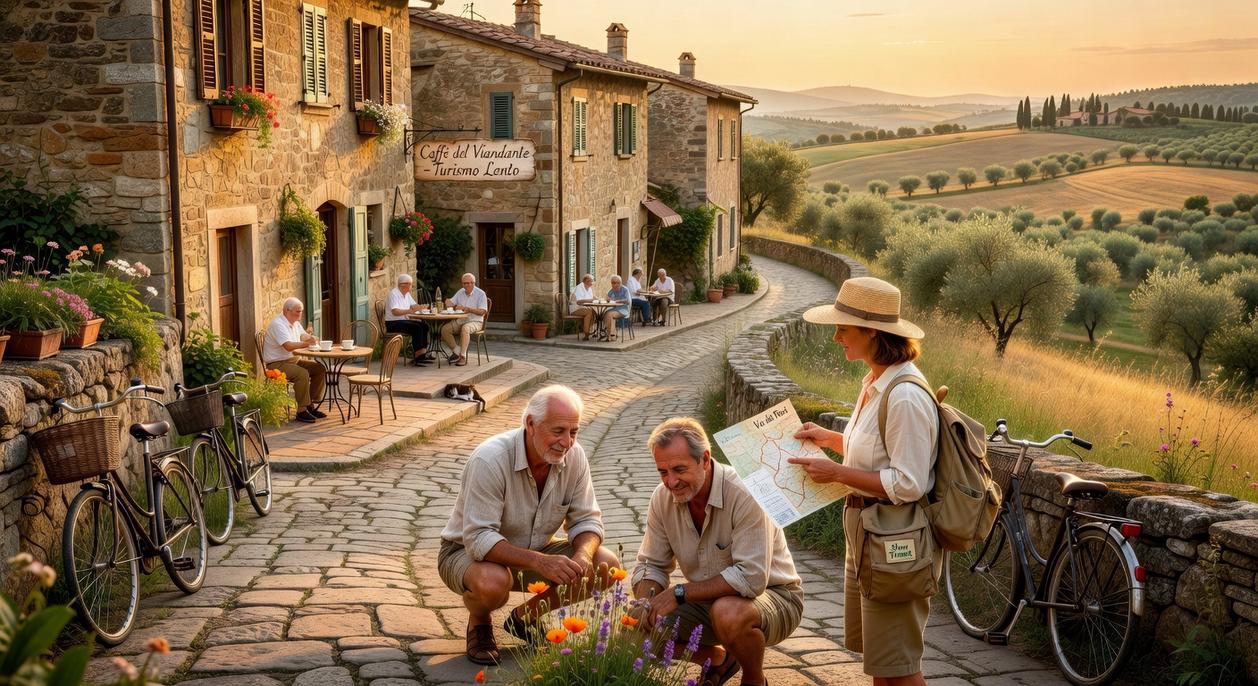
Deep immersion travel means living in a place long enough to understand its rhythms, not just its landmarks. Research from Booking.com’s 2023 Travel Predictions report found that 73% of global travelers want more authentic local experiences, signaling a shift away from surface-level tourism.
Choose Your Base Wisely
Instead of hotel-hopping, commit to one neighborhood. A residential apartment lets you shop at the same bakery, recognize your barista, and learn the cadence of daily life. A 2017 study in the Journal of Travel Research found that longer stays significantly increase cultural understanding and emotional connection to a destination.
Critics argue that moving around maximizes what you see. Fair. But depth often beats breadth. Paris feels different when you know which market sets up on Thursdays (and which neighbor walks their dog at dawn).
Look for:
- Proximity to public transit
- Nearby markets
- Mixed residential and commercial streets
(Pro tip: message hosts to ask about community events—locals usually know more than guidebooks.)
Pack for Living, Not Just Visiting
If you want routine, pack for it.
- A reusable market bag
- A small journal
- A French press or favorite tea
These aren’t souvenirs—they’re anchors. Behavioral research shows routines reduce decision fatigue and stress, helping you adapt faster to new environments.
Learn Key Phrases
Even basic greetings build trust. A Cambridge study on language learning and social integration found that using simple local phrases increases positive social interactions.
Start with:
- Hello
- Please/Thank you
- How much?
- I’m learning your language
It breaks barriers instantly (and earns smiles more reliably than perfect grammar).
Research Culture, Not Just Sights
Know the etiquette, market days, and holidays. Understanding context transforms experiences from transactional to relational. The slow travel movement emphasizes this very principle: presence over pace.
Before booking flights, check airline industry updates new routes and what they mean for travelers to plan smarter routes that support longer stays.
Immersion isn’t accidental. It’s intentional preparation meeting lived experience.
Connecting with Local Culture: Your Daily Guide
The first week I spent in Lisbon, I did what most visitors do—rushed from landmark to landmark. By day four, I was exhausted and oddly disconnected. So I tried something different: I chose a corner café and showed up every morning.
Embrace the Morning Routine
Becoming a “regular”—someone who frequents the same spot consistently—changes everything. By the third day, the barista remembered my order. By the fifth, I was chatting with a retiree about neighborhood history. This small ritual let me observe the community’s rhythm (who’s in a hurry, who lingers, who reads the paper cover to cover). It’s cultural immersion without a tour guide.
Shop at Local Markets
Farmers’ markets are a full sensory experience: bright produce, sharp cheese aromas, overlapping conversations. I once asked a tomato vendor how to pick the sweetest batch and got a five-minute lesson plus a family recipe. Markets create direct exchange with producers—meaning the people who grow or make what you’re buying. Pro tip: go early for conversations, late for discounts.
Use Public Transportation
Buses and trains offer an unfiltered view of daily life. Commuters, students, street musicians—it’s sociology in motion. While some argue rideshares are easier, public transit reveals commuting patterns and social norms you’d otherwise miss.
Pursue a Hobby
Taking a local class—cooking, pottery, dancing—builds connection through shared effort. In a small cooking workshop, I learned more slang in two hours than in days of sightseeing. That’s the heart of the slow travel movement: participation over observation (and yes, you might burn the first batch of bread).
Bringing the Journey Home With You
Travel isn’t a checklist; it’s a mirror. The real goal isn’t to collect passport stamps like souvenirs on a shelf, but to let each place quietly rearrange something inside you. In other words, the best trips don’t just change your location—they change your perspective.
And yet, we’ve all felt it: the hollow thud of a rushed itinerary. Airport. Selfie. Landmark. Repeat. It’s like speed-dating a city—you leave with photos, but no real connection. The slow travel movement offers a different rhythm, more simmer than sprint.
When you linger, you begin to:
- Notice small cultural rituals
- Build conversations beyond transactions
- Taste food as story, not just flavor
As a result, memories root deeper. They stop being snapshots and start becoming chapters.
So before your next getaway, pause. Choose one moment to stretch instead of schedule. Plan with intention, not just an itinerary—and let the journey follow you home like a well-read book you can’t quite put down.
Keep Exploring the World With Purpose
You set out to better understand how to travel deeper, smarter, and more meaningfully. Now you have the tools to embrace the slow travel movement, plan with intention, and experience destinations beyond surface-level sightseeing.
Rushed itineraries, tourist traps, and travel burnout can drain the joy from your adventures. Choosing immersive experiences, thoughtful planning, and cultural connection transforms travel from a checklist into something truly unforgettable.
Here’s your next step: apply what you’ve learned to your next trip. Choose one destination, dive into its culture, map out intentional experiences, and build space into your schedule to explore without pressure.
If you’re ready to stop wasting time on overcrowded highlights and start crafting richer journeys, explore our expert travel guides and planning hacks today. Travelers trust us for practical, globally informed insights that make every trip smoother and more meaningful. Start planning smarter now and turn your next getaway into a story worth telling.