
If you’re searching for smarter ways to master carry on travel, you’re likely tired of baggage fees, long carousel waits, and overpacking for trips that should feel simple. This guide is designed to help you travel lighter, move faster, and stay prepared—without sacrificing comfort or style.
We break down the essentials of packing efficiently, choosing the right gear, navigating airline restrictions, and maximizing limited space. Whether you’re planning a weekend city escape or an international adventure, you’ll find practical strategies that eliminate stress and streamline every leg of your journey.
Our insights are built on extensive travel research, real-world packing tests, and up-to-date airline policy reviews to ensure accuracy and relevance. Instead of generic tips, you’ll get field-tested advice that works across destinations and travel styles.
By the end of this article, you’ll know exactly how to pack smarter, avoid common mistakes, and make every trip smoother with a well-planned carry-on strategy.
Your Essential Guide to Packing In-Flight Personal Gear
Ever stood in a security line, silently wondering if your favorite moisturizer is about to be confiscated? You’re not alone. The confusion around what belongs in a carry-on fuels unnecessary travel anxiety (and those last-minute trash-bin sacrifices).
This guide cuts through the noise. Drawing on years of global flights and countless checkpoint negotiations, it explains what’s allowed, what’s risky, and how to pack smarter for carry on travel only.
You’ll learn practical rules, real examples, and comfort-boosting tips. Speculation: screening tech will tighten liquid rules soon—so packing lighter now is future-proofing.
Carry-On vs. Checked Luggage: The Fundamental Difference
Carry-on luggage is the small suitcase or backpack you bring into the cabin and store in the overhead bin. A personal item is even smaller—think purse, laptop bag, or small backpack—and must fit under the seat in front of you. Most airlines cap carry-ons at about 22 x 14 x 9 inches, but sizes vary (yes, those metal sizers at the gate are the final boss).
Checked luggage, on the other hand, is handed over at the counter and stored in the aircraft’s cargo hold.
Here’s how I see it:
- Carry-on = essentials, valuables, sanity savers
- Checked bag = clothes, shoes, “just in case” extras
Governing bodies like the TSA set security rules about what’s allowed. Airlines set size and weight limits. You need to check both—assuming one covers the other is a rookie mistake.
My rule? If you need it during the flight—or it’s valuable—it belongs in your carry on travel only bag.
The Green Light List: Gear You Can Always Bring Onboard
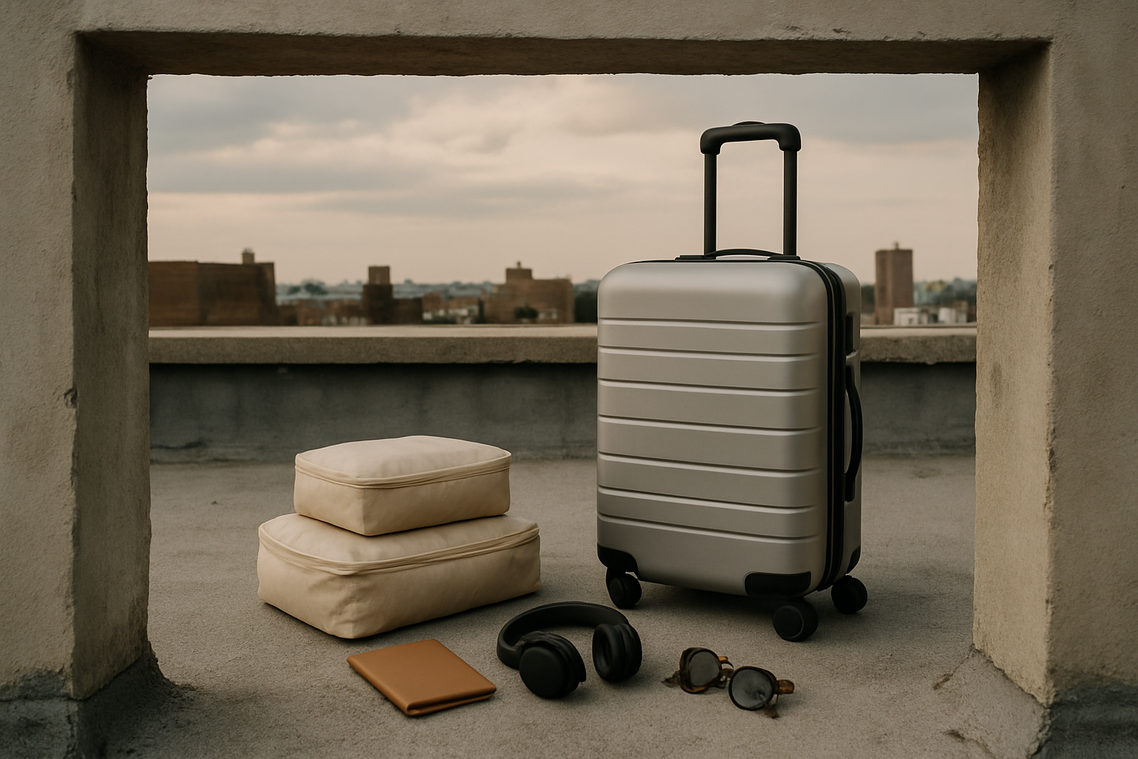
Think of your cabin bag as prime real estate. Every item you pack should earn its place—like a trusted co‑star who won’t get cut from the scene at the last minute. Fortunately, some essentials almost always get the green light.
Electronics & Entertainment
First up: your digital lifelines. Laptops, tablets, phones, noise-canceling headphones, and portable chargers are all welcome in your carry-on. However, here’s the crucial rule: lithium-ion batteries must be in your carry-on, not checked luggage. Airlines enforce this because lithium batteries can pose a fire risk in the cargo hold (FAA guidance supports this safety measure). In other words, your power bank rides shotgun with you.
In the world of carry on travel, think of your devices as your in-flight survival kit—part office, part cinema, part sanity saver. Noise-canceling headphones, for instance, don’t just block sound; they build a bubble of calm (like pressing mute on a crying-baby soundtrack).
Comfort & Coziness
Next, create your own “comfort cocoon.” Neck pillows—whether inflatable or memory foam—travel blankets, eye masks, and earplugs are all cabin-friendly. Together, they transform your seat into a mini sanctuary. It’s less first class, more “first comfort.” Still, that small ritual of unpacking your cozy gear signals to your brain: we’re settling in.
Personal Care & Toiletries
Now, the famous 3-1-1 rule: liquids must be in containers of 3.4 ounces (100ml) or less, all fitting inside one clear 1-quart bag (per TSA guidelines). Picture it like a tiny aquarium—if it doesn’t fit, it doesn’t fly. Solid toiletries, however, are your loophole heroes. Shampoo bars and solid perfume skip liquid limits entirely, saving space and stress.
Snacks & Hydration
Finally, solid food is generally allowed through security. Pack granola bars, nuts, or sandwiches like edible insurance against overpriced airport snacks. And bring an empty reusable water bottle to fill after security—it saves money and trims plastic waste. Small move, big impact.
Navigating the Gray Areas: Commonly Questioned Items
Airport security rules can feel inconsistent, especially when you’re juggling carry on travel and tight connections at hubs like JFK or Heathrow (where agents see everything). Here’s what actually passes screening.
Razors
- Disposable razors and electric razors: allowed in carry-ons.
- Safety razors: the handle is fine, but removable blades must go in checked luggage.
The distinction comes down to exposed blades. TSA officers classify removable double‑edge blades as “loose sharps,” which are prohibited in the cabin.
Medication
Both prescription and over-the-counter medications are permitted. Keep prescriptions in original pharmacy packaging with your name visible. While TSA doesn’t always require a doctor’s note, having one helps during international screenings, especially in countries with strict pharmaceutical controls like Japan or the UAE.
Scissors & Sharp Objects
Scissors are allowed if the blades measure 4 inches or less from the pivot point. Anything longer gets confiscated. Non-plastic knives are generally prohibited. (Yes, even the tiny souvenir one from Rome.)
Sporting Equipment
Items like hiking poles, baseball bats, and golf clubs must be checked. They’re categorized as potential blunt-force items under aviation security guidelines.
Pro tip: Always verify regulations before booking using resources on how to find cheap flights without sacrificing comfort to avoid last-minute repacking fees.
Expert Hacks for Packing Your In-Flight Gear
Staying organized at 30,000 feet isn’t about packing more—it’s about packing smarter. Let’s break down three simple systems that remove the guesswork.
-
The “Bag-in-a-Bag” Method
First, define the concept: this simply means placing your essential in-flight items inside a smaller pouch within your main bag. Think headphones, charger, lip balm, and eye mask. Instead of rummaging mid-boarding (we’ve all been that person), you pull one compact kit and you’re settled. -
Create a Charging Station Kit
In other words, consolidate all tech—cables, wall adapter, and power bank—into one dedicated pouch. This prevents tangled cords and makes security checks smoother. Pro tip: use a brightly colored case so it’s easy to spot. -
Maximize Your Personal Item
Finally, choose a compartment-rich backpack or tote for carry on travel. Multiple sections mean easy access without awkward overhead-bin gymnastics (your seatmates will thank you).
Uncertainty about packing rules can turn excitement into anxiety, but now you have clear, practical guidelines to rely on. Your biggest worry—triggering a security issue or lacking essentials on a long flight—has been addressed head-on. Consider the difference:
Truly night and day difference.
- Guessing at regulations means delays, confiscated items, and last-minute stress.
- Packing with strategy means smooth screening, easy access to comfort items, and confidence.
Option A leaves you frazzled at the gate; Option B gets you settled with time to spare (coffee in hand, not panic). Mastering carry on travel only lets you travel comfortably and efficiently everywhere.
Ready for Smarter, Lighter Adventures
You came here looking for practical ways to simplify your trips and make every journey smoother. Now you know how to streamline your packing, avoid common travel mistakes, and embrace carry on travel only for greater flexibility and freedom.
Travel frustration often starts before you even leave—overpacked bags, unexpected fees, and last-minute stress. The right preparation eliminates those pain points and puts you back in control of your experience.
The next step is simple: put these strategies into action on your next trip. Create a streamlined packing list, choose versatile essentials, and plan with intention. If you’re ready to travel lighter, move faster, and explore smarter, start applying these tips today.
Thousands of savvy travelers are already upgrading the way they explore. Don’t let overpacking and poor planning slow you down—begin your smarter travel journey now and experience the difference for yourself.