Planning an international trip is exciting—but navigating a new culture and communicating confidently can quickly become overwhelming. If you’re searching for practical strategies for learning language for travel, you likely want fast, effective ways to speak enough of the local language to enhance your experience without spending years in formal study.
This guide is designed to help you do exactly that. We break down simple, travel-focused language techniques, cultural insights that improve real-world conversations, and smart preparation hacks that make communication smoother from the moment you land. Whether you’re preparing for a short getaway or an extended global adventure, you’ll find actionable steps you can start using immediately.
Our recommendations draw from experienced travelers, cultural experts, and proven language acquisition methods tailored specifically for real-world travel scenarios. The goal is simple: help you feel confident, connected, and culturally aware—so your journey becomes more immersive, meaningful, and stress-free.
From Tourist to Local
Surface-level travel happens when you only point and smile. Authentic connection starts with intentional phrases that unlock real conversations. Instead of chasing fluency, focus on learning language for travel that delivers high impact fast.
- Learn greetings and thank-yous.
- Memorize five food and direction questions.
- Practice one personal intro sentence.
For example, asking a café owner what they recommend often sparks stories (and better meals). Studies show even basic local language use increases positive interactions (Journal of Cross-Cultural Psychology). Pro tip: rehearse aloud daily before departure. Confidence grows each time someone answers in their tongue with warmth.
Beyond Politeness: A vs. B Travel
Traveler A points and speaks loudly in their own language. Traveler B says a simple “hello” and “thank you” in the local tongue. Same destination, wildly different reactions. Learning a few phrases signals respect, not just courtesy. Respect is the difference between being tolerated and being welcomed (and yes, locals can tell).
Unlocking Hidden Doors
Ask for “the best place you eat” in the local language and watch what happens. Traveler A gets the restaurant with laminated menus and photos. Traveler B gets directions to a family-run spot down an alley you’d never find on Google Maps. That’s the quiet power of learning language for travel. A basic question can unlock:
- Non-tourist recommendations
- Cultural insights you won’t find in guidebooks
- Conversations that turn strangers into storytellers
Building Confidence and Safety
Compare wandering silently versus asking clearly for help. Knowing phrases for directions, prices, or emergencies boosts confidence and reduces risk. You’re no longer guessing—you’re participating.
The Ripple Effect
A transaction says, “Here’s my money.” A local greeting says, “I see you.” One is efficient. The other is human. And those human moments? They’re the stories you bring home.
The Traveler’s Language Toolkit: What to Actually Learn
If you only have limited time before a trip, focus on what you’ll actually use. Fluency is great. Functionality is better. Think of this as your practical shortcut to learning language for travel without drowning in grammar rules.
Here’s what truly matters:
-
Core Greetings and Courtesies
Start with the non-negotiables: “Hello,” “Goodbye,” “Please,” “Thank you,” and “Excuse me.” These words signal respect instantly. In many cultures, politeness shapes how locals respond to you (first impressions travel fast). Even a slightly mispronounced “thank you” can earn a warmer smile than perfect silence. -
Transactional Essentials
Next, master phrases for daily exchanges: “How much is this?”, “I would like…,” “Can I have the bill?”, and “Can I get a bag?” Most travel interactions revolve around food, shopping, and payments. If you can order confidently and settle the bill without confusion, you’ll avoid 80% of common stress points. -
Navigational Lifelines
Learn “Where is the…?”, “How do I get to…?”, plus “left,” “right,” and “straight ahead.” Even if someone answers quickly, you’ll catch keywords. Pair this with a map app, and you’re unstoppable. -
The Emergency Set
Finally, memorize “I need help,” “Where is the bathroom?”, “Where is the hospital?”, and “I don’t understand.” These phrases are safety nets. You hope you won’t need them—but you’ll be glad you prepared.
For deeper cultural context behind these phrases, explore a beginners guide to cultural etiquette around the world: https://beevitius.com/a-beginners-guide-to-cultural-etiquette-around-the-world/. Understanding etiquette makes your words land even better.
Modern Learning Hacks for People on the Move
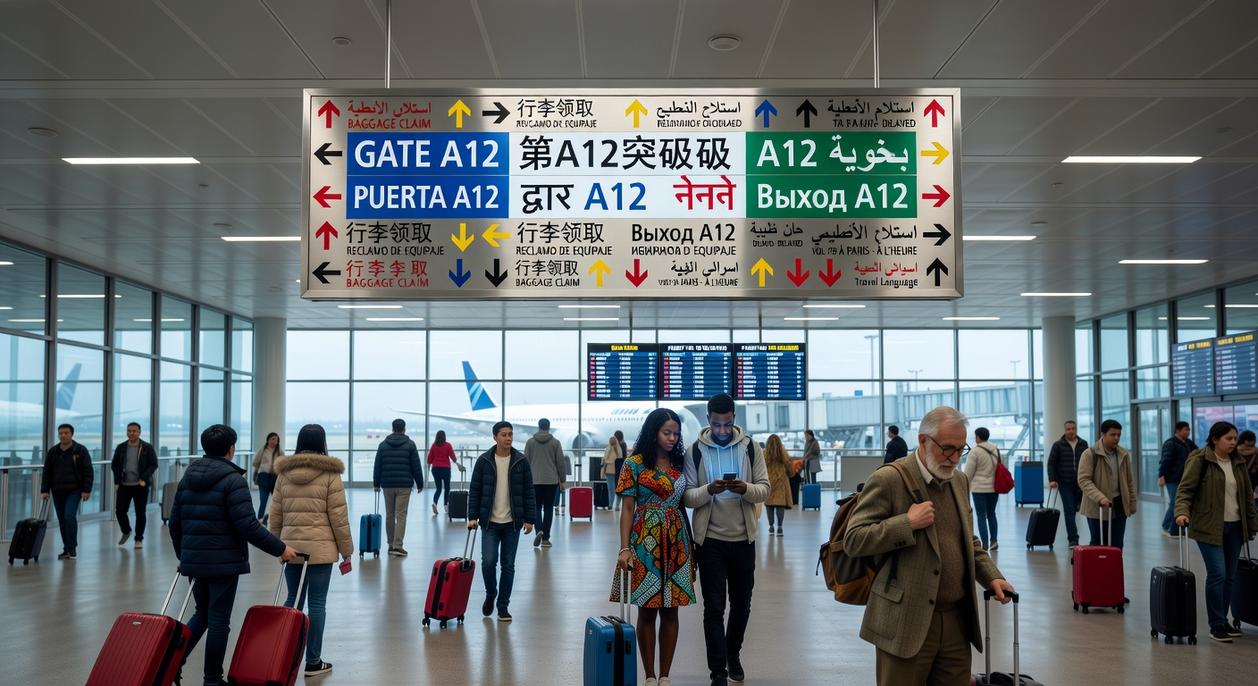
If you think language learning requires a desk, a textbook, and color-coded notes, think again. Mobility is actually your secret weapon. The trick is designing MICRO-MOMENTS OF IMMERSION into your day.
• Gamify with Apps
Duolingo’s conversational practice simulates real dialogue (minus the awkward silences), while Memrise uses short video clips of locals speaking naturally. That exposure to real accents is something many competitors overlook—they focus on vocabulary lists, not lived language. Real-world speech builds instinct, not just knowledge.
• The Power of Audio
Podcasts and audio lessons during commutes train your ear for rhythm and pronunciation. Linguists call this prosodic awareness—your ability to catch tone and flow—which often matters more than flawless grammar (Source: Cambridge Language Sciences). Think of it like music: you feel it before you analyze it.
• Visual Association with Flashcards
Pair words with images—a train station photo plus the term in your target language. Visual encoding speeds recall (dual-coding theory, Paivio). Your brain loves pictures more than plain text.
• Practice Before You Go
Use iTalki or HelloTalk for low-stakes chats. Confidence compounds quickly.
Most guides mention apps. Few explain how to structure learning language for travel around movement itself. That’s the edge. Pro tip: rehearse phrases while physically walking—context locks memory in place.
Speaking Without Words: Cultural Context is Key
The Importance of Body Language
A handshake can feel firm and friendly in one country, but overly aggressive in another. In Japan, a bow—subtle, quiet, almost weightless—signals respect. In parts of Latin America, conversations unfold closer, voices warm and animated, while stepping back might feel cold. Eye contact, too, shifts meaning: steady in the U.S. shows confidence; prolonged elsewhere can feel confrontational. These silent cues shape first impressions long before words arrive. Noticing the rhythm of gestures and space is often more important than memorizing phrases.
Tones and Formality
Many languages divide “you” into formal and informal forms—like tu and vous in French. Using the wrong one can land with a dull thud (think calling your professor “buddy”). When unsure, start formal; warmth can always follow.
Listen More Than You Speak
The murmur of a café, the pauses between replies, the way locals greet elders—these details teach learning language for travel better than any phrasebook.
Your next adventure doesn’t begin at the airport; it begins with a word. While most travel guides obsess over packing lists and flight hacks, they skip the small linguistic bridges that unlock connection. That’s where learning language for travel changes everything.
Admittedly, some argue translation apps are enough. However, apps can’t replace the smile you earn when you greet someone in their mother tongue. A simple “hello” or “thank you” signals respect, not tourism.
So, pick one destination from your wish list. Learn five core greetings today. In turn, you’ll gain confidence, deeper conversations, and memories no itinerary could deliver.
Start Your Next Journey with Confidence
You came here looking for clarity, confidence, and practical guidance to make your next adventure smoother and more meaningful. Now you have the tools to plan smarter, pack better, navigate cultural nuances, and even embrace learning language for travel to deepen every interaction.
Travel can feel overwhelming—too many destinations, too many logistics, and the fear of missing out on authentic experiences. But with the right insights and preparation, those pain points turn into opportunities for richer memories and stress-free exploration.
The next step is simple: put this knowledge into action. Choose your destination, map out your essentials, and start preparing with purpose. If you want trusted travel insights, destination deep dives, and practical hacks that seasoned explorers rely on, tap into our expertly curated resources today.
Don’t let uncertainty hold back your next adventure. Get the guidance you need, travel smarter, and turn every trip into a story worth telling—start planning now.