Imagine hearing a howler monkey’s call echo through the mist or spotting a three-toed sloth moving in slow motion above your head. In Costa Rica—where more than 25% of the land is protected and nearly 5% of the world’s biodiversity thrives—these moments are part of everyday life. But with so many parks, reserves, and coastlines to explore, planning the perfect costa rica wildlife travel experience can feel overwhelming. Which destinations are truly unmissable? When should you visit for turtle nesting or whale migrations? This guide simplifies it all, giving you clear, practical insights on where to go, when to visit, and what unforgettable encounters await.
When to Go: Timing Your Wildlife Adventure
The Dry Season (December – April)
Often dubbed the “high season,” this stretch brings sunnier skies and smoother drives on rural roads (mud and rental cars are not friends). It’s prime time for spotting migratory birds and watching Olive Ridley sea turtles nest along the Pacific. Clearer conditions can improve visibility for wildlife viewing, though nature never signs guarantees. Expect higher prices and fuller lodges—sunshine has a fan club.
The Green Season (May – November)
Costa Rica turns lush and dramatic, with afternoon showers that feel almost cinematic. Crowds thin, wildlife stirs, and Humpback Whales headline the Pacific. In Tortuguero, Green Sea Turtles nest in impressive numbers. Some travelers worry rain will “ruin” their plans. It might shift them—but it also fuels the biodiversity that defines costa rica wildlife travel (trade-offs are real).
Key Takeaway: There’s no single “best” time. Your priorities decide. If you’re still weighing destinations, explore an in depth look at moroccos imperial cities for contrast and inspiration.
Top National Parks & Reserves for Unforgettable Encounters
Planning wildlife trips sounds magical—until you realize the animals don’t run on your schedule. You wake up at dawn, lace up your boots, and… nothing. No monkeys. No sloths. Just humidity and the distant buzz of insects (which, to be fair, are everywhere). That’s why choosing the right park in Costa Rica makes all the difference.
Corcovado National Park
First, there’s Corcovado National Park, often dubbed “the most biologically intense place on Earth” (National Geographic). It’s remote, muddy, and absolutely worth it. You’ll likely spot all four monkey species, plus tapirs and scarlet macaws. However, a licensed guide is mandatory. Some travelers grumble about the rule. Yet honestly, without a guide, you’d probably walk past half the wildlife anyway. Think of it less as a restriction and more as unlocking the director’s commentary.
Manuel Antonio National Park
If rugged expeditions aren’t your style, Manuel Antonio blends rainforest trails with white-sand beaches. It’s compact and accessible—perfect if you’re traveling with kids or short on time. Sloths and white-faced capuchins are common sightings. Yes, it can get crowded (especially in high season). Still, reliable wildlife encounters often outweigh the busy paths.
Tortuguero National Park
Meanwhile, Tortuguero feels like stepping into a nature documentary. Accessible only by boat or plane, its canals teem with caimans and river otters. From July to October, Green Sea Turtles nest here in remarkable numbers (Sea Turtle Conservancy). Miss the season, and you’ll miss the headline act—so timing matters.
Monteverde Cloud Forest Biological Preserve
Finally, Monteverde’s misty canopy offers cooler air and the chance to spot the Resplendent Quetzal between March and July. Birdwatchers wait patiently here (sometimes for hours). Frustrating? Maybe. But that flash of emerald and crimson makes it unforgettable.
In short, smart planning turns costa rica wildlife travel from hit-or-miss into extraordinary.
Beyond the Parks: Unexpected Wildlife Hotspots
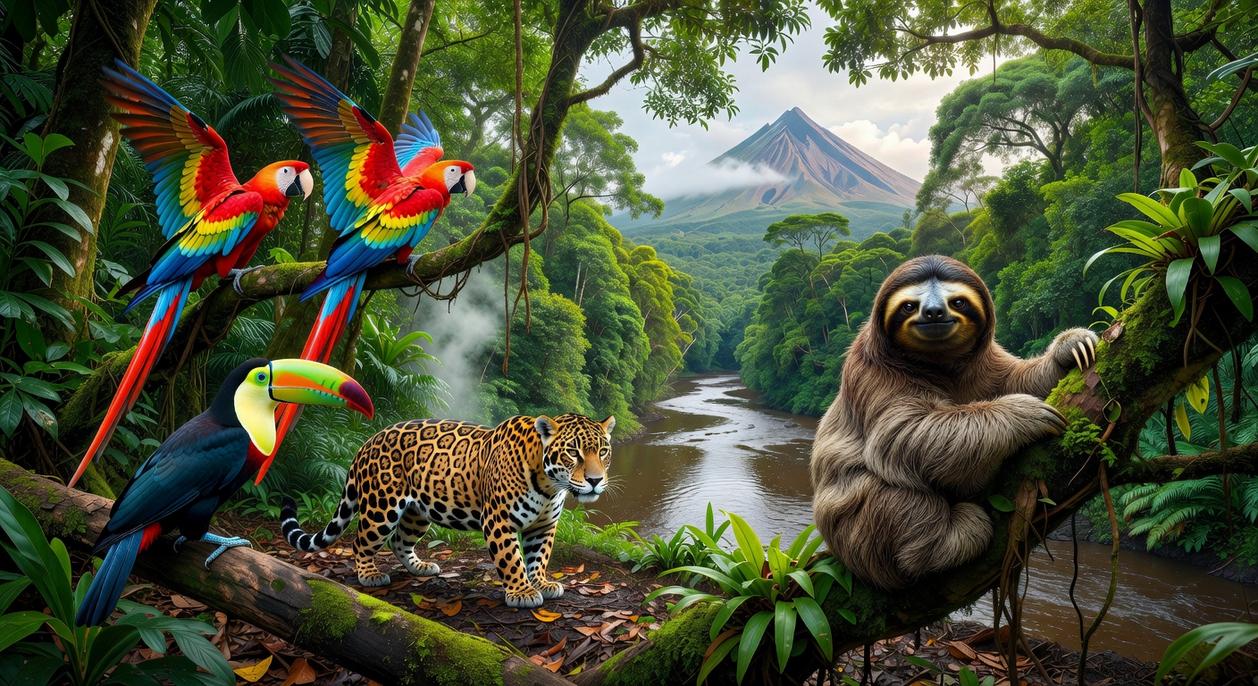
When people think of Costa Rica, they picture national parks with ticket booths and tour buses. I think that’s selling the country short. Some of the best wildlife moments happen outside the headline attractions.
La Fortuna & Arenal Volcano Area
Yes, the volcano is the star. But honestly? The rainforest steals the show. I’ve seen toucans and parrots while sipping hotel coffee (no hiking boots required). Local eco-parks even run “sloth tours,” and the success rate is impressively high. For anyone serious about costa rica wildlife travel, this area feels like a living nature documentary.
The Tárcoles River
Pull over at the bridge and look down. Dozens of enormous American crocodiles sprawl along the banks like prehistoric leftovers. It’s quick, slightly terrifying, and completely unforgettable.
Uvita & Marino Ballena National Park
This is whale territory. Humpbacks arrive July–November and December–April to breed. Seeing one breach? Better than any theme park thrill ride.
Essential Planning Hacks for a Seamless Trip
Think of your trip like directing a nature documentary: the better your crew, gear, and timing, the more breathtaking the final cut. First, hire a naturalist guide. Their trained eyes work like a backstage pass to the wild, spotting camouflaged sloths or distant toucans you’d swear were invisible. With high-powered scopes and deep ecosystem knowledge, they translate the forest’s “hidden language” into stories you can actually understand.
When you pack, imagine you’re building a toolkit, not hauling your closet. Binoculars are your front-row tickets. Add a lightweight rain jacket (tropical weather flips faster than a plot twist), waterproof hiking shoes, quick-dry clothing, and reliable insect repellent. Pack smart, not heavy—mobility is freedom on the trail.
Ethical viewing is the golden rule. Observe from a respectful distance; never feed or touch wildlife. Treat animals like A-list celebrities: admire, don’t crowd. Choose operators certified for sustainable practices to protect the habitats that make costa rica wildlife travel unforgettable.
Finally, choose transport wisely. A 4×4 is your all-access pass to remote trailheads, while shared or private shuttles are the stress-free express lanes between major destinations. Pick the vehicle that matches your adventure’s rhythm.
Bringing Your Costa Rican Wildlife Dream to Life
Your dream trip is closer than you think. By matching your travel dates with your must-see species and choosing the right region—from wild Corcovado to vibrant Manuel Antonio—you’ve removed the biggest obstacle to unforgettable costa rica wildlife travel: uncertainty. Planning once felt overwhelming. Now you have a clear, simple framework to follow.
The only thing standing between you and those once-in-a-lifetime wildlife encounters is action. Pick your top three animals, confirm the best season to see them, and map your route today. Start planning now and turn your wildlife wish list into your next unforgettable adventure.