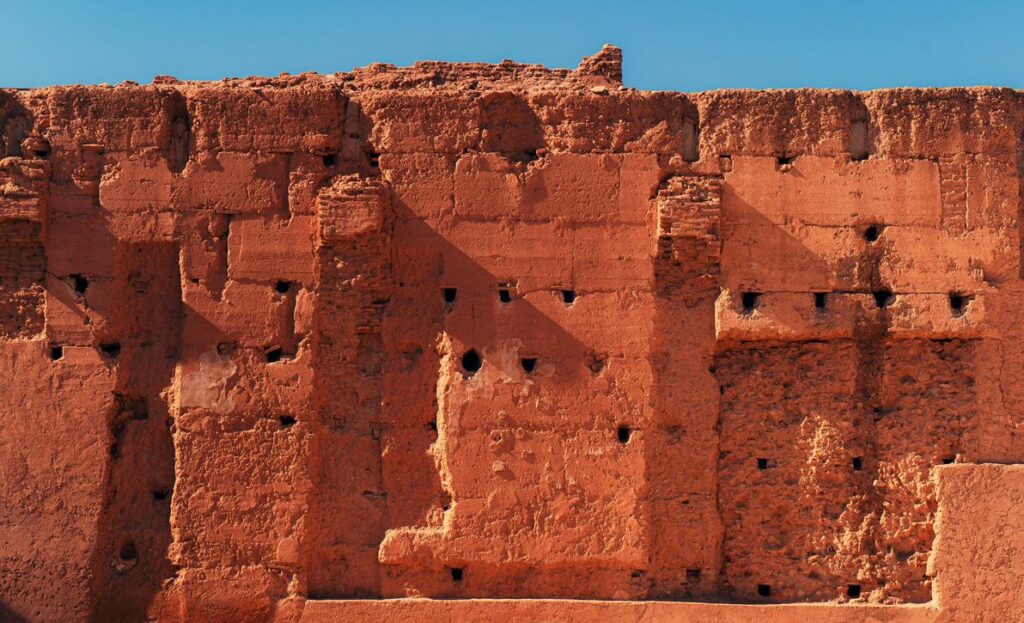
Planning a journey through morocco imperial cities means stepping into a world of ancient medinas, ornate palaces, bustling souks, and centuries-old traditions that still shape daily life. If you’re searching for clear, practical guidance on what to see, how to plan, and how to experience these cities beyond the surface, you’re in the right place.
This article is designed to help you understand what makes each imperial city unique—whether it’s the architectural grandeur of Rabat, the spiritual depth of Fes, the vibrant energy of Marrakech, or the historic legacy of Meknes. We break down must-see landmarks, cultural insights, and smart travel tips so you can make the most of your time.
To ensure accuracy and depth, we’ve drawn on local historical sources, regional travel experts, and up-to-date travel logistics. The result is a focused, trustworthy guide that helps you explore with confidence and curiosity.
A Journey Through Morocco’s Royal Heart
Step through ancient gates and you’ll find four former capitals guarding Morocco’s legacy like living museums. Yet travelers often struggle to distinguish Fes from Marrakesh, or Meknes from Rabat. Each feels imperial—so what sets them apart?
This guide cuts through the blur surrounding the morocco imperial cities, offering insights most overviews miss:
- Fes: The world’s oldest continuously operating university (UNESCO).
- Marrakesh: A sensory theater of souks and palaces.
- Meknes: Underrated grandeur without the crowds.
- Rabat: Political capital with coastal calm.
Expect historical depth, must-see landmarks, and cultural nuances to plan a seamless, meaningful imperial circuit.
Fes: The Spiritual and Cultural Soul of Morocco
Fes isn’t just one of the morocco imperial cities—it’s the oldest of them, founded in 789, and long regarded as the country’s religious and intellectual heart. While many guides skim the surface, few emphasize how uninterrupted its scholarly tradition has been. The University of Al-Qarawiyyin, established in 859 and recognized by UNESCO and Guinness World Records as the world’s oldest continually operating university, still functions today. That continuity matters.
Step through Bab Bou Jeloud’s iconic blue gate and you enter Fes el-Bali, a UNESCO World Heritage site with over 9,000 alleyways (yes, really). The Bou Inania Madrasa showcases Marinid craftsmanship at its peak—zellige tilework, carved cedar, and stucco so detailed it feels lace-like.
From a terrace above the Chouara Tannery, you’ll see leather dyed using centuries-old methods—pigeon droppings and all (glamorous, right?). The scent is… unforgettable.
Think you can navigate alone? Even seasoned travelers get lost. Hire a licensed guide for historical nuance and to decode hidden symbols most visitors miss. Pro tip: go early for softer الضوء and fewer crowds.
Marrakesh: The Vibrant Red City of the South
Marrakesh has always felt, to me, like the beating heart of southern Morocco. Founded in 1070 by the Almoravids, it quickly became a political capital, a caravan crossroads, and the gateway to the Atlas Mountains. Traders once arrived with gold and spices from sub-Saharan Africa (imagine the original Silk Road energy, but with more desert dust). Even today, it stands proudly among the morocco imperial cities, balancing history with a pulse that never quite slows.
To begin with, the Bahia Palace is pure poetry in tile and cedarwood, its courtyards practically daring you not to linger. Then there are the Saadian Tombs, hidden for centuries and rediscovered in 1917 (talk about a dramatic comeback). And of course, the Koutoubia Mosque’s minaret dominates the skyline—elegant, restrained, and unmistakably Marrakshi.
As the sun sets, Djemaa el-Fna transforms. By day it’s busy; by night it’s electric—storytellers, musicians, and sizzling food stalls competing for attention. Personally, I think this square alone justifies the trip.
Finally, stay in a riad inside the medina. Trust me, waking up to birdsong in a tiled courtyard beats any standard hotel.
Meknes: The Ambitious Legacy of a Sultan
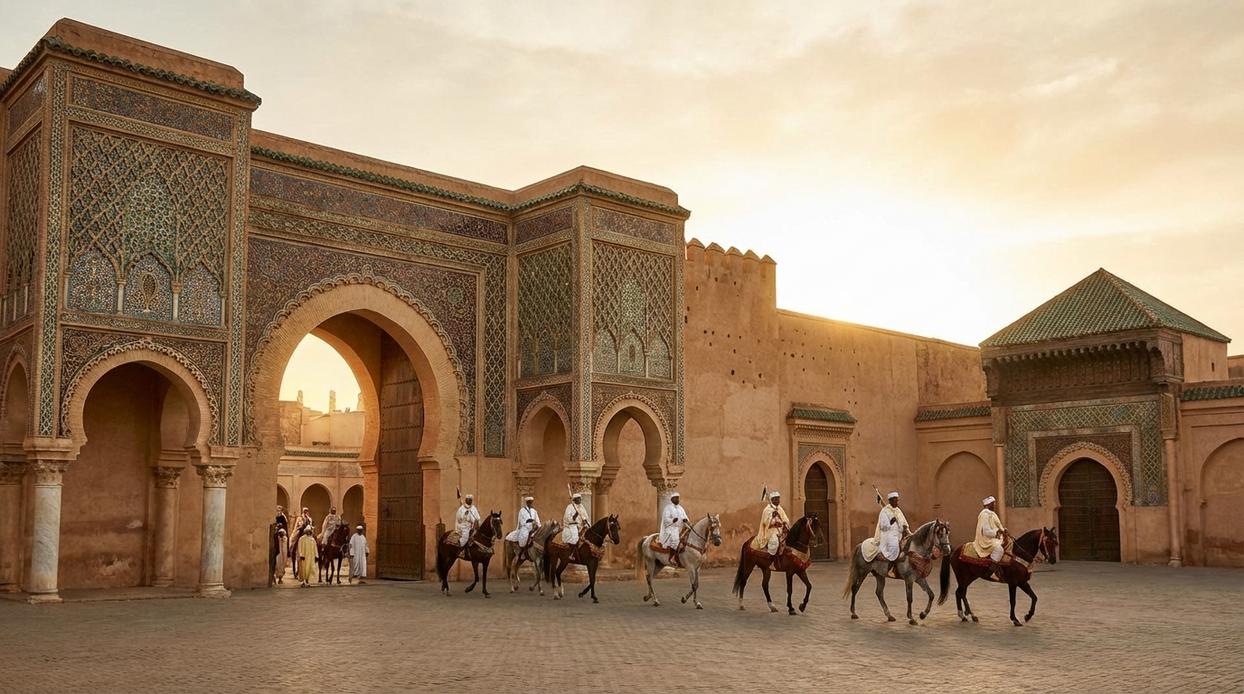
The first time I walked through Bab Mansour, I actually stopped mid-step. The zellige tilework (intricate geometric mosaics) shimmered in the late afternoon light, and for a second, the nickname “Versailles of Morocco” didn’t feel exaggerated. Meknes was the grand vision of Sultan Moulay Ismail in the 17th century—a ruler determined to rival Europe’s great courts with towering defensive walls and monumental gates (subtlety was clearly not the goal).
Just beyond, Heri es-Souani reveals the scale of that ambition. These vast royal granaries and stables once housed thousands of horses and stored grain to withstand sieges. Meanwhile, the Mausoleum of Moulay Ismail offers a rare calm—one of the few Moroccan shrines open to non-Muslim visitors.
That said, some travelers argue Meknes feels quieter than other morocco imperial cities. I’d counter that this is its strength. The medina hums gently, not frantically, offering a more intimate glimpse of daily life.
Before you leave, take a short trip to Volubilis, a UNESCO-listed Roman site nearby. And if you’re mapping global adventures, here’s what makes new zealand a bucket list adventure destination: https://beevitius.com/what-makes-new-zealand-a-bucket-list-adventure-destination/.
Rabat: The Modern Capital with Ancient Roots
Rabat is Morocco’s current capital—a political hub where government ministries sit just minutes from centuries-old stone walls. In other words, it’s where past and present share the same skyline (and somehow make it look effortless). While some travelers skip it for flashier destinations like Marrakech, that’s a mistake. Rabat offers a calmer, more navigable introduction to the morocco imperial cities.
Start with Hassan Tower, an unfinished 12th-century minaret intended to be the world’s largest. Right beside it stands the Mausoleum of Mohammed V, a royal tomb honoring the king who led Morocco to independence in 1956 (look for the ceremonial guards in traditional dress). Then walk to the Kasbah of the Udayas, a blue-and-white fortress overlooking the Atlantic—arrive near sunset for the best light.
For a quieter experience, explore Chellah, a fortified medieval necropolis built atop ancient Roman ruins. Today, storks nest on its crumbling minarets.
Practical tip: Use Rabat’s modern tram system to move between sites quickly and affordably—buy tickets at station kiosks and validate before boarding.
Travel Planning: Connecting the Imperial Cities
Exploring the morocco imperial cities is surprisingly simple with Morocco’s ONCF rail network. Trains directly link Rabat, Meknes, and Fes, with an easy connection to Marrakesh. They’re affordable, air-conditioned, and punctual (a pleasant surprise if you’ve traveled elsewhere in North Africa). Book first-class for assigned seating and extra space—worth the small upgrade.
Suggested route: Fly into Marrakesh, travel north to Rabat and Meknes, then finish in Fes to avoid backtracking. Why zigzag when you don’t have to?
• Fes, Marrakesh: 2–3 days each
• Meknes, Rabat: 1–2 days each
Pack light for station hopping.
Now you have the essential context to explore Morocco’s imperial past with purpose, not just a camera. Planning a multi-city itinerary can feel overwhelming, but clarity creates CONFIDENCE. Start by mapping travel days between the morocco imperial cities, then book trains or private transfers two weeks ahead. Allocate at least two nights per city: Fes for soulful medina wanderings, Marrakesh for kinetic souks, Meknes for monumental gates, Rabat for coastal calm. Practical steps:
• Reserve riads inside historic walls.
• Hire certified local guides for complex sites.
• Schedule rest afternoons to avoid burnout.
Use this blueprint to start booking.
Ready to Experience morocco imperial cities for Yourself?
You set out to understand what makes morocco imperial cities so captivating—and now you have a clearer picture of their vibrant souks, architectural wonders, layered history, and living traditions. From Marrakech’s energy to Fes’s medieval maze and Rabat’s refined coastal charm, you’ve seen how each city offers a distinct chapter of Morocco’s story.
But planning a trip that captures all of that magic can feel overwhelming. Tight schedules, cultural nuances, hidden gems—missing the details means missing the experience you’ve been dreaming about.
That’s where the right guidance makes all the difference.
If you’re ready to turn inspiration into a seamless journey, explore our expertly crafted travel resources and planning tools designed to simplify every step. Thousands of global travelers trust our guides to uncover authentic experiences, smarter itineraries, and stress‑free travel strategies.
Start planning today and transform your curiosity about morocco imperial cities into an unforgettable adventure.