Planning a trip to Iceland can feel overwhelming. Between dramatic glaciers, volcanic landscapes, hidden hot springs, and rapidly changing weather, it’s hard to know where to start or how to make the most of your time. If you’re searching for a complete iceland travel guide, you likely want clear answers on what to see, when to go, how to get around, and how to experience the country beyond the typical tourist stops.
This guide is designed to simplify every step of your journey. From must‑see natural wonders like the Golden Circle and South Coast to cultural insights, packing essentials, budgeting tips, and smart travel hacks, we cover exactly what you need to plan confidently.
Our recommendations are built on extensive destination research, up‑to‑date travel data, and insights gathered from seasoned travelers who know Iceland’s terrain and seasons inside out. Whether you’re visiting for a long weekend or a full road trip adventure, you’ll find practical, reliable guidance to help you experience Iceland at its best.
Your Adventure in the Land of Fire and Ice Starts Here
As you traverse the breathtaking landscapes and rich cultural tapestry of Iceland, you may find that embracing the principles of slow travel not only enhances your appreciation of these natural wonders but also deepens your connection to the local heritage – for more details, check out our The Rise of Slow Travel: Why Fewer Destinations Mean Better Experiences.
Iceland is a place of extremes, where lava fields steam beside glaciers (think Game of Thrones landscapes). This iceland travel guide gives you a STEP-BY-STEP plan to design your trip.
First, pick your season: SUMMER means midnight sun; WINTER brings auroras. Next, map a Ring Road loop and book guesthouses early. Budget smartly by grocery shopping and using public pools instead of spas.
• Reserve a 4×4 for highland roads.
• Leave buffer days for weather delays (it changes fast).
Follow these steps, and your adventure starts.
Choosing Your Season: Northern Lights or Midnight Sun?
Summer (June–August)
First, let’s talk about Iceland in full glow. Summer brings the Midnight Sun—a natural phenomenon where daylight stretches nearly 24 hours due to Earth’s tilt. That means hiking F-roads (mountain tracks खुल in summer only), driving to Landmannalaugar’s rhyolite hills, and photographing Skógafoss at 11 p.m. (yes, really) without a flashlight. Roads are खुल, puffins nest along Dyrhólaey cliffs, and temperatures hover between 10–15°C.
However, this is peak season. Expect higher prices, booked-out guesthouses, and tour buses at the Golden Circle. And despite wishful thinking, you won’t see the Northern Lights under constant daylight.
Winter (October–March)
On the other hand, winter is aurora season. The Aurora Borealis—solar particles colliding with atmospheric gases—paints the sky neon green on clear nights. Fewer crowds mean quieter moments at Jökulsárlón glacier lagoon. Ice cave tours beneath Vatnajökull are at their best.
Still, daylight shrinks to 4–6 hours in December, and Route 1 can close during storms. Driving requires checking vedur.is forecasts daily.
Shoulder Seasons (April–May, September)
So, what’s the sweet spot? Shoulder months balance moderate prices, manageable crowds, and dynamic light. September offers aurora potential; May delivers blooming lupines and longer days. Many seasoned travelers—and any solid iceland travel guide—quietly recommend these windows for flexibility and value.
Mapping Your Itinerary: Iceland’s Unmissable Sights
The Golden Circle (1–2 Days)
Start with Iceland’s most efficient introduction to fire and ice. Þingvellir National Park isn’t just scenic—it’s where the North American and Eurasian tectonic plates visibly drift apart (about 2 cm per year, according to the Icelandic Met Office). Walk the rift valley and you’re literally between continents. Next, Gullfoss—the “Golden Falls”—thunders down two tiers, often throwing rainbows into the mist (yes, it feels cinematic, because it is). Finally, the Geysir geothermal area delivers Strokkur, erupting every 5–10 minutes. Unlike many guides that rush this loop, build in time for short side trails; fewer crowds gather just beyond the main viewing decks.
The South Coast (3–4 Days)
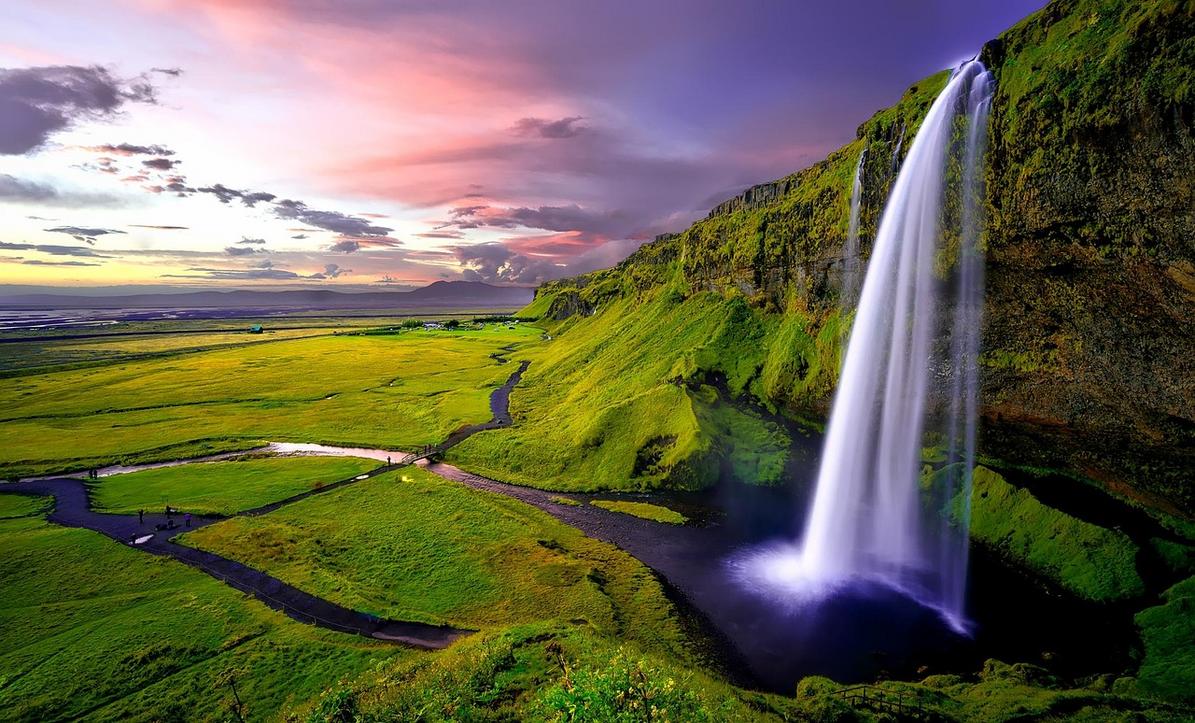
Then head east along Route 1. First come Seljalandsfoss (walk behind it) and Skógafoss (climb the stairs for a sweeping view). Continue to Reynisfjara’s black sand beach, where basalt columns rise like a fantasy film set. In Vík, pause for coastal views before reaching Jökulsárlón glacier lagoon. Icebergs drift toward Diamond Beach, where they glisten against volcanic sand (nature’s jewelry box). Pro tip: visit at sunrise for softer light and thinner crowds.
Beyond the South
If time allows, look further. The Snæfellsnes Peninsula—often called “Iceland in Miniature”—compresses glaciers, lava fields, and fishing villages into one compact region. Meanwhile, North Iceland offers Akureyri’s charm and Mývatn’s geothermal landscapes, plus Dettifoss, Europe’s most powerful waterfall (European Environment Agency).
Many itineraries stop at highlights. A smarter iceland travel guide layers geography, geology, and timing—so you experience Iceland, not just photograph it.
Navigating the Terrain: How to Get Around Iceland
Renting a Car
Renting a car is the most popular option because it gives you freedom to chase waterfalls at sunset or linger at black-sand beaches without watching the clock. A standard 2WD (two-wheel drive) works for the Ring Road in summer, saving money while covering highlights. A 4×4 (four-wheel drive) is essential for F-roads — mountain tracks leading into the Highlands — and recommended in winter. The benefit? Confidence and access to places tour buses can’t.
Guided Tours
Prefer not to drive? Guided tours remove stress and add expert insight. Day trips from Reykjavík cover the Golden Circle, while multi-day tours explore the South Coast. You’ll gain stories, safety, and planning (like having a friend who knows every shortcut).
Public Transportation
Buses are budget-friendly but limited. Routes connect towns, not remote waterfalls. For flexibility, your iceland travel guide should prioritize wheels.
For more cultural inspiration, explore a complete travel guide to kyotos historic districts.
Packing Smart: Your Essential Iceland Gear List
The first time I stepped off the plane in Keflavík, the wind nearly stole my beanie (lesson learned). That’s when I understood why layers aren’t optional in Iceland—they’re survival strategy.
The Layering System
Start with a moisture-wicking base layer (fabric designed to pull sweat away from your skin). Add an insulating mid-layer like fleece or down to trap heat. Finish with a waterproof and windproof outer shell to block Iceland’s famously unpredictable weather. Even in summer, I rotated through all three layers in a single afternoon.
Footwear
Waterproof hiking boots with strong grip are non-negotiable. Slick lava fields and waterfall spray are no joke.
Must-Have Accessories
- Warm hat
- Gloves
- Scarf or buff
- Reusable water bottle (tap water is excellent)
- Sunglasses
- Swimsuit (for hot springs)
- Camera
If you follow any iceland travel guide, you’ll see similar advice—and trust me, it’s earned the hard way.
Your Unforgettable Icelandic Journey Awaits
You now have the essential framework for planning your trip—from choosing the right season to packing the right gear. Iceland welcomes over 2 million visitors annually (Icelandic Tourist Board), and those who report the highest satisfaction consistently cite advance planning as the reason their trip ran smoothly. Preparation isn’t just helpful; it’s decisive.
The key to a successful Icelandic adventure is focusing on three pillars:
- Smart packing for volatile weather (yes, even in July)
- Flexible transportation, especially for Ring Road routes
- A realistic, well-paced itinerary
According to SafeTravel Iceland, weather shifts are one of the top travel disruptors—proof that adaptability matters. Some argue spontaneity makes travel magical. Fair. But in Iceland, unchecked spontaneity can mean closed roads or missed excursions (and no one flies that far for disappointment).
Use this iceland travel guide as your checklist. Map your route, secure your vehicle early—rental demand peaks in summer—and prepare for landscapes that feel almost cinematic. The raw beauty is waiting.
Ready to Experience Iceland the Right Way?
You came here looking for clarity, inspiration, and practical direction for planning an unforgettable Iceland adventure — and now you have it. From must-see natural wonders to smart travel planning hacks, you’re better prepared to explore Iceland with confidence instead of confusion.
Planning a trip to Iceland can feel overwhelming. Rapidly changing weather, remote attractions, and hidden gems that most tourists miss can quickly turn excitement into stress. But with the right preparation and a reliable iceland travel guide, you can avoid common mistakes and focus on what really matters — experiencing the magic of waterfalls, glaciers, black sand beaches, and the Northern Lights.
Now it’s time to take the next step. Start mapping out your itinerary, secure your essentials early, and use a trusted iceland travel guide to streamline every detail. Thousands of global travelers rely on expertly curated travel resources to simplify planning and maximize every moment.
Don’t leave your adventure to chance. Plan smarter, travel confidently, and turn your Iceland dream into a seamless, unforgettable reality today.
 Ask Zelphia Mornvale how they got into beevitius destination deep dives and you'll probably get a longer answer than you expected. The short version: Zelphia started doing it, got genuinely hooked, and at some point realized they had accumulated enough hard-won knowledge that it would be a waste not to share it. So they started writing.
What makes Zelphia worth reading is that they skips the obvious stuff. Nobody needs another surface-level take on Beevitius Destination Deep Dives, Travel Planning Hacks, Horizon Headlines. What readers actually want is the nuance — the part that only becomes clear after you've made a few mistakes and figured out why. That's the territory Zelphia operates in. The writing is direct, occasionally blunt, and always built around what's actually true rather than what sounds good in an article. They has little patience for filler, which means they's pieces tend to be denser with real information than the average post on the same subject.
Zelphia doesn't write to impress anyone. They writes because they has things to say that they genuinely thinks people should hear. That motivation — basic as it sounds — produces something noticeably different from content written for clicks or word count. Readers pick up on it. The comments on Zelphia's work tend to reflect that.
Ask Zelphia Mornvale how they got into beevitius destination deep dives and you'll probably get a longer answer than you expected. The short version: Zelphia started doing it, got genuinely hooked, and at some point realized they had accumulated enough hard-won knowledge that it would be a waste not to share it. So they started writing.
What makes Zelphia worth reading is that they skips the obvious stuff. Nobody needs another surface-level take on Beevitius Destination Deep Dives, Travel Planning Hacks, Horizon Headlines. What readers actually want is the nuance — the part that only becomes clear after you've made a few mistakes and figured out why. That's the territory Zelphia operates in. The writing is direct, occasionally blunt, and always built around what's actually true rather than what sounds good in an article. They has little patience for filler, which means they's pieces tend to be denser with real information than the average post on the same subject.
Zelphia doesn't write to impress anyone. They writes because they has things to say that they genuinely thinks people should hear. That motivation — basic as it sounds — produces something noticeably different from content written for clicks or word count. Readers pick up on it. The comments on Zelphia's work tend to reflect that.