
Planning an international trip is exciting—until you realize you’re not entirely sure which documents you actually need. From passports and visas to entry requirements that seem to change overnight, navigating the paperwork can quickly become overwhelming. That’s exactly why this travel documents guide exists: to give you clear, up-to-date direction so you can prepare with confidence and avoid costly mistakes at the airport.
In this article, you’ll find a straightforward breakdown of essential travel documents, destination-specific considerations, and practical tips to keep everything organized before departure. We’ve carefully reviewed official government resources, cross-checked international entry requirements, and analyzed common traveler pitfalls to ensure the information is accurate and actionable.
Whether you’re planning a short getaway or a long-term international adventure, this guide will help you understand what’s required, what’s recommended, and how to stay prepared—so you can focus less on paperwork and more on the journey ahead.
The Cornerstone of Global Travel: Securing Your Passport
Before you book that flight to Bali or finally say yes to Paris (Emily in Paris energy optional), make sure your passport situation is squared away. Not all passport needs are the same.
First, a new application is for first-time applicants or minors. You’ll use Form DS-11 and apply in person. A renewal uses DS-82, typically by mail, if your most recent passport was issued within the last 15 years and after age 16. A replacement is required if your passport was lost or stolen—report it immediately using Form DS-64 (identity theft is not a souvenir you want).
Step-by-Step Application Checklist
To keep things simple, follow this practical travel documents guide:
- Proof of citizenship (birth certificate or naturalization certificate).
- Government-issued photo ID (driver’s license works).
- Passport photo (2×2 inches, plain white background, no glasses; the U.S. State Department rejects thousands yearly for photo errors).
- Correct form (DS-11 or DS-82).
- Payment for fees.
Next, understand timelines. Standard processing typically takes 6–8 weeks, while expedited service averages 2–3 weeks, though delays do occur due to high demand (check official State Department updates before planning). Fees vary: adult passport books currently cost over $130, with extra charges for expedited service.
Pro Tip: Check the Six-Month Validity Rule. Many countries require your passport to be valid for at least six months beyond your return date (U.S. Department of State). Always confirm this before booking flights.
Finally, once your passport is secured, review how to choose the right travel insurance for overseas trips to protect the journey you worked so hard to plan.
Navigating Entry Requirements: The World of Visas
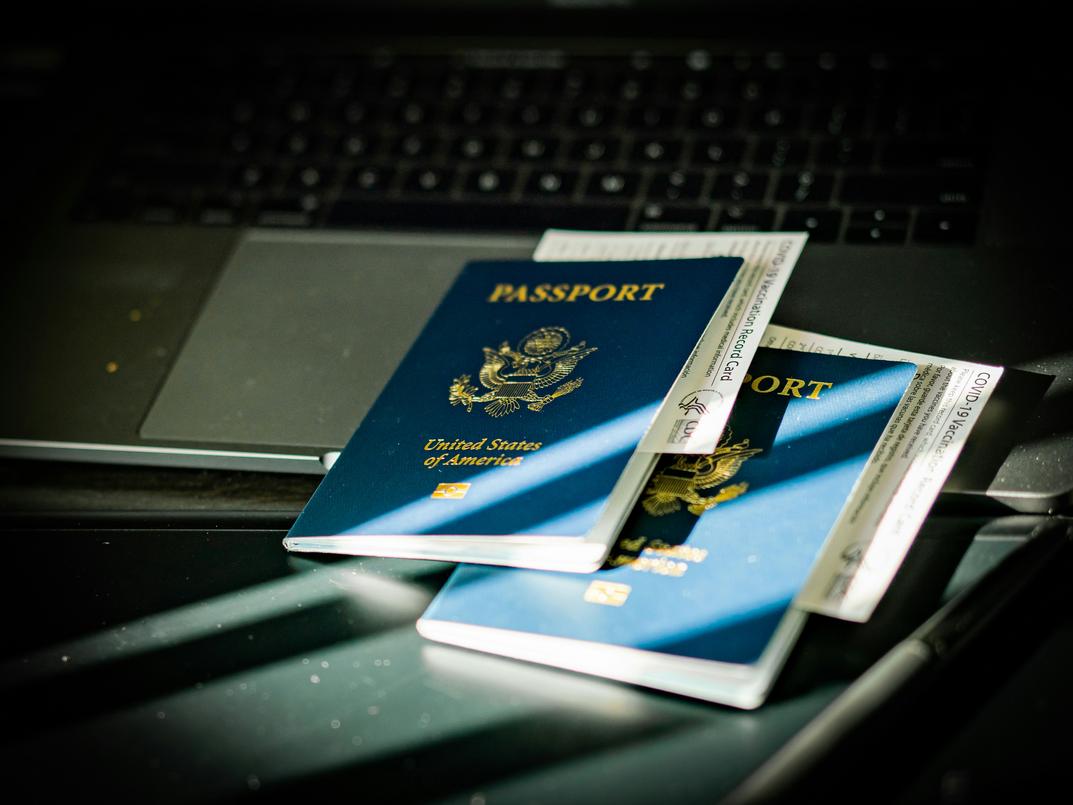
A visa is an official authorization placed in your passport that allows you to enter, stay, or transit through a country for a specific purpose and time. Think of it as a country’s RSVP system (no ticket, no entry). Common types include:
- Tourist visas for leisure travel
- Business visas for meetings or conferences
- Transit visas for passing through en route elsewhere
- Schengen visa for traveling across multiple countries within the Schengen Area under a single permit
Each type comes with distinct conditions, and understanding those details upfront means fewer surprises at the airport.
How to Determine if You Need a Visa
Start with official government sources like the U.S. Department of State website or your destination’s embassy page. These sites outline nationality-based requirements, permitted lengths of stay, and entry rules. Using a verified travel documents guide can save you from outdated blog advice (yes, even well-meaning ones). The benefit? You avoid denied boarding or last-minute cancellations.
The Application Process
While requirements vary, most applications include a completed form, a valid passport, passport-sized photos, proof of travel (like flight bookings), accommodation details, and financial statements. Some countries require interviews or biometric data. Processing times can range from a few days to several weeks, so applying early protects your itinerary and your budget.
Common Pitfalls to Avoid
Many travelers apply too late, submit inconsistent information, or underestimate processing times. Even small errors—like mismatched travel dates—can trigger delays. Double-check every document (future you will be grateful). Paying attention to these features isn’t just paperwork—it’s peace of mind at passport control.
Beyond Passports and Visas: Other Essential Documents
A passport gets you on the plane. These documents get you through the journey.
International Driving Permit (IDP). An IDP is a translated version of your driver’s license, recognized in over 150 countries under United Nations road traffic conventions. In countries like Japan and Italy, rental agencies can legally refuse cars without one. According to AAA, which issues IDPs in the U.S., applications are typically processed the same day with two photos and a small fee. In other words, it’s simple—and skipping it can derail a road trip fast.
Proof of Vaccination. Health entry rules aren’t suggestions. The World Health Organization reports that Yellow Fever vaccination certificates are mandatory for entry into certain African and South American countries. Without the official “Yellow Card,” travelers have been denied boarding or quarantined. Increasingly, digital health passes are accepted, but always verify requirements 4–8 weeks before departure.
For Traveling with Minors. Border officials frequently request birth certificates and notarized consent letters for children traveling with one parent. U.S. Customs and Border Protection explicitly recommends carrying them to prevent child trafficking concerns.
Copies of Itineraries and Reservations. Finally, printed or offline copies of bookings can speed immigration checks, especially where officials request proof of onward travel. A solid travel documents guide can prevent costly surprises.
Digital Backup Strategy Keeping encrypted copies of passports, visas, and IDs in the cloud or on your phone ensures instant access when borders or hotels ask for proof. The benefit is speed and peace of mind—no frantic searching.
Physical Photocopies matter too. A separate paper set stored in your luggage can save hours if your phone dies or is stolen.
If your passport disappears abroad, act fast:
- Contact the nearest embassy or consulate
- File a police report
- Use your travel documents guide for reference
Preparation means fewer delays, lower stress, and a faster return to exploring new adventures.
Before you embark on your unforgettable journey exploring the vibrant culture of Morocco’s imperial cities, make sure you have all your essential travel documents in order for a stress-free border crossing – for more details, check out our An In-Depth Look at Morocco’s Imperial Cities.
Ready for Smoother, Smarter Travel
You came here looking for clarity—how to travel smarter, stay prepared, and avoid the common mistakes that turn dream trips into stressful experiences. Now you have the insights, tools, and confidence to plan with purpose.
Travel mishaps often come down to poor preparation—missing paperwork, overlooked essentials, or last‑minute confusion. That stress can cost you time, money, and unforgettable moments. With the right planning strategies and a reliable travel documents guide, you eliminate uncertainty before it starts.
The next step is simple: put what you’ve learned into action. Organize your documents, double‑check entry requirements, and use trusted travel planning resources to streamline every stage of your journey.
Thousands of travelers rely on our expertly curated guides and global insights to simplify their adventures and avoid costly mistakes. Don’t leave your trip to chance—start planning smarter today and travel with total confidence.
 Ask Zelphia Mornvale how they got into beevitius destination deep dives and you'll probably get a longer answer than you expected. The short version: Zelphia started doing it, got genuinely hooked, and at some point realized they had accumulated enough hard-won knowledge that it would be a waste not to share it. So they started writing.
What makes Zelphia worth reading is that they skips the obvious stuff. Nobody needs another surface-level take on Beevitius Destination Deep Dives, Travel Planning Hacks, Horizon Headlines. What readers actually want is the nuance — the part that only becomes clear after you've made a few mistakes and figured out why. That's the territory Zelphia operates in. The writing is direct, occasionally blunt, and always built around what's actually true rather than what sounds good in an article. They has little patience for filler, which means they's pieces tend to be denser with real information than the average post on the same subject.
Zelphia doesn't write to impress anyone. They writes because they has things to say that they genuinely thinks people should hear. That motivation — basic as it sounds — produces something noticeably different from content written for clicks or word count. Readers pick up on it. The comments on Zelphia's work tend to reflect that.
Ask Zelphia Mornvale how they got into beevitius destination deep dives and you'll probably get a longer answer than you expected. The short version: Zelphia started doing it, got genuinely hooked, and at some point realized they had accumulated enough hard-won knowledge that it would be a waste not to share it. So they started writing.
What makes Zelphia worth reading is that they skips the obvious stuff. Nobody needs another surface-level take on Beevitius Destination Deep Dives, Travel Planning Hacks, Horizon Headlines. What readers actually want is the nuance — the part that only becomes clear after you've made a few mistakes and figured out why. That's the territory Zelphia operates in. The writing is direct, occasionally blunt, and always built around what's actually true rather than what sounds good in an article. They has little patience for filler, which means they's pieces tend to be denser with real information than the average post on the same subject.
Zelphia doesn't write to impress anyone. They writes because they has things to say that they genuinely thinks people should hear. That motivation — basic as it sounds — produces something noticeably different from content written for clicks or word count. Readers pick up on it. The comments on Zelphia's work tend to reflect that.